
 Sara McKenney

I love recipes that bring bold flavor to the table without leaving a sink full of dishes behind, and this One Skillet Lemon Dijon Chicken has quickly become one of my favorite weeknight dinners. The chicken turns beautifully golden in the pan while the lemon and Dijon sauce creates a rich, tangy finish that tastes like something from a cozy restaurant kitchen. Every bite has a balance of savory, bright, and buttery flavors that keeps everyone coming back for seconds.
WANT TO SAVE THIS RECIPE?
Just enter your email and get it sent to your inbox!
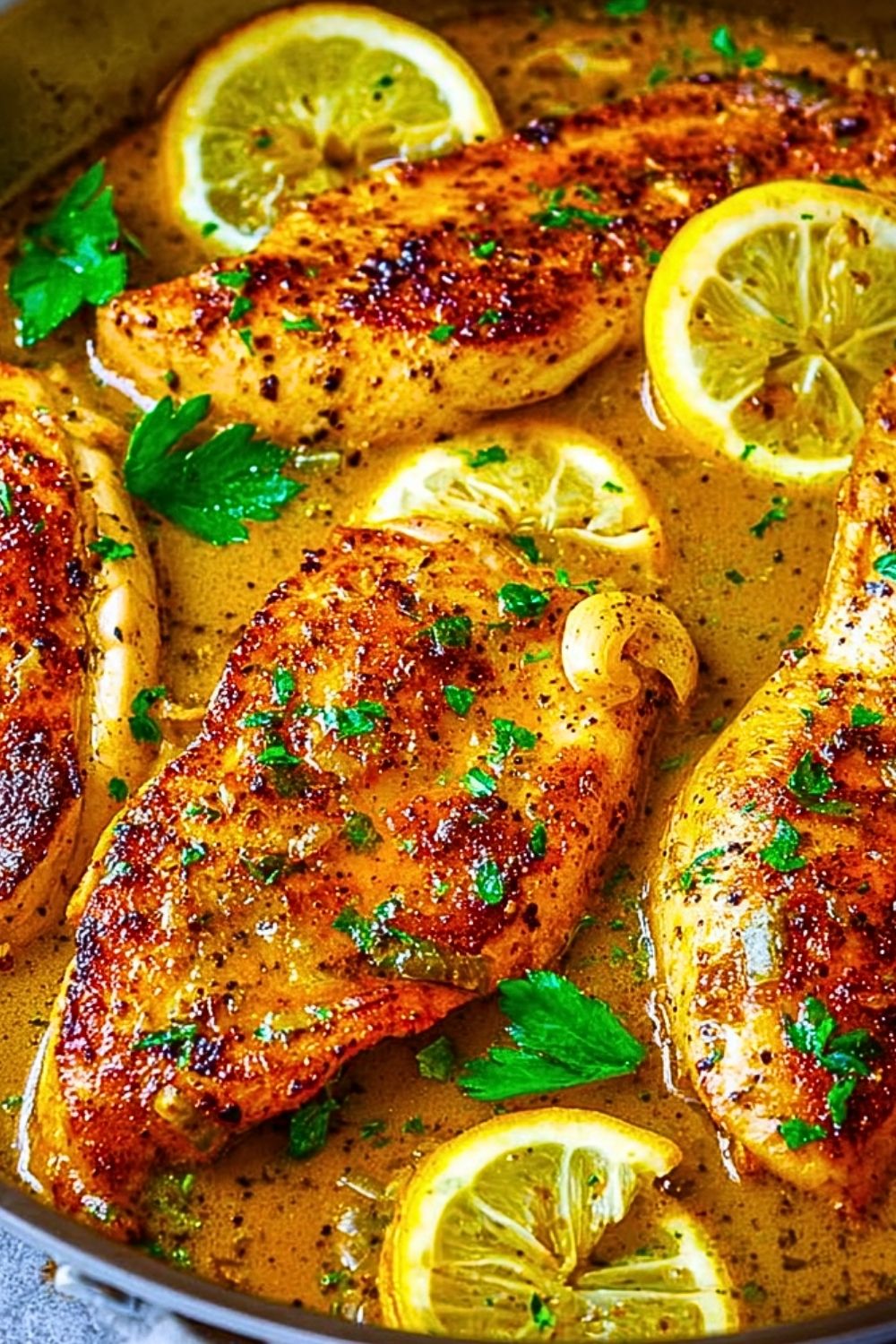
What makes this dish even better is how approachable it feels. I can make it on a busy evening without spending hours prepping ingredients, yet it still feels special enough for guests or a relaxed weekend dinner. The skillet locks in all the flavor, and the sauce is so good that I always end up spooning extra over rice, potatoes, or warm bread.
Why You’ll Love This One Skillet Lemon Dijon Chicken
This recipe is packed with comforting flavor while staying simple enough for everyday cooking. The chicken stays juicy thanks to the skillet cooking method, and the lemon Dijon sauce adds the perfect balance of brightness and richness.
Another reason I keep making this dish is the convenience. Everything cooks in one pan, which means less cleanup and more flavor concentrated right where you want it. It also pairs easily with vegetables, pasta, rice, or salad, making it incredibly versatile for lunch or dinner.
The ingredients are pantry-friendly, yet the final dish feels elegant and satisfying. Whether you are cooking for family, meal prepping for the week, or serving guests, this recipe works beautifully every time.
What Kind of Chicken Should I Use for One Skillet Lemon Dijon Chicken?
Boneless skinless chicken breasts are a popular choice because they cook quickly and soak up the lemon Dijon sauce beautifully. If you prefer richer flavor and extra tenderness, boneless chicken thighs work just as well and remain juicy even after simmering.
For a more rustic presentation, bone-in chicken thighs or split chicken breasts can also be used. They may require a slightly longer cooking time, but they add deeper flavor to the sauce as everything cooks together in the skillet.
If you are using thicker chicken breasts, pounding them to an even thickness helps them cook more evenly and prevents dry spots. Thin cutlets are another excellent option when you need dinner ready in a hurry.
Options for Substitutions
If you do not have Dijon mustard on hand, whole grain mustard can provide a similar tangy flavor with a little more texture. Yellow mustard can work in a pinch, although the flavor will be slightly sharper and less refined.
Fresh lemon juice gives the sauce its bright flavor, but bottled lemon juice may be used when necessary. You can also add a small amount of lemon zest for extra citrus aroma.
Chicken broth helps create the savory base of the sauce, though vegetable broth is a good substitute if needed. For a creamier variation, a splash of heavy cream can be stirred into the sauce near the end of cooking.
Butter adds richness and helps create a silky finish, but olive oil can be used for a lighter option. Fresh parsley can easily be replaced with thyme, basil, or chives depending on the flavors you enjoy most.
Ingredients for This One Skillet Lemon Dijon Chicken
Chicken Breasts
Boneless skinless chicken breasts are the heart of this recipe. They cook quickly in the skillet while staying tender and juicy, especially once they simmer in the lemon Dijon sauce.
Dijon Mustard
Dijon mustard creates the signature tangy flavor that gives this dish its rich and slightly sharp character. It blends smoothly into the sauce and adds depth without overpowering the chicken.
Fresh Lemon Juice
Fresh lemon juice brightens the entire skillet and balances the richness of the butter and mustard. It also helps create a fresh and vibrant sauce.
Lemon Slices
Thin lemon slices add extra citrus aroma while cooking and make the dish visually beautiful when served.
Garlic
Fresh garlic builds savory flavor throughout the sauce and pairs perfectly with the mustard and lemon combination.
Chicken Broth
Chicken broth forms the flavorful base of the sauce and helps keep the chicken moist while simmering.
Butter
Butter adds richness and gives the sauce a smooth, glossy texture that coats the chicken beautifully.
Olive Oil
Olive oil helps sear the chicken to a golden crust while adding subtle richness.
Paprika
Paprika contributes warmth, color, and a mild smoky flavor that enhances the chicken.
Salt
Salt brings out the natural flavor of the chicken and balances the acidity in the sauce.
Black Pepper
Black pepper adds a gentle heat and complements the lemon Dijon flavor profile.
Italian Seasoning
Italian seasoning adds an herby layer that ties all the flavors together and gives the dish a comforting aroma.
Fresh Parsley
Fresh parsley adds freshness and color right before serving, making the skillet look bright and inviting.
Optional Heavy Cream
A small amount of heavy cream can be added for a richer and creamier sauce if desired.
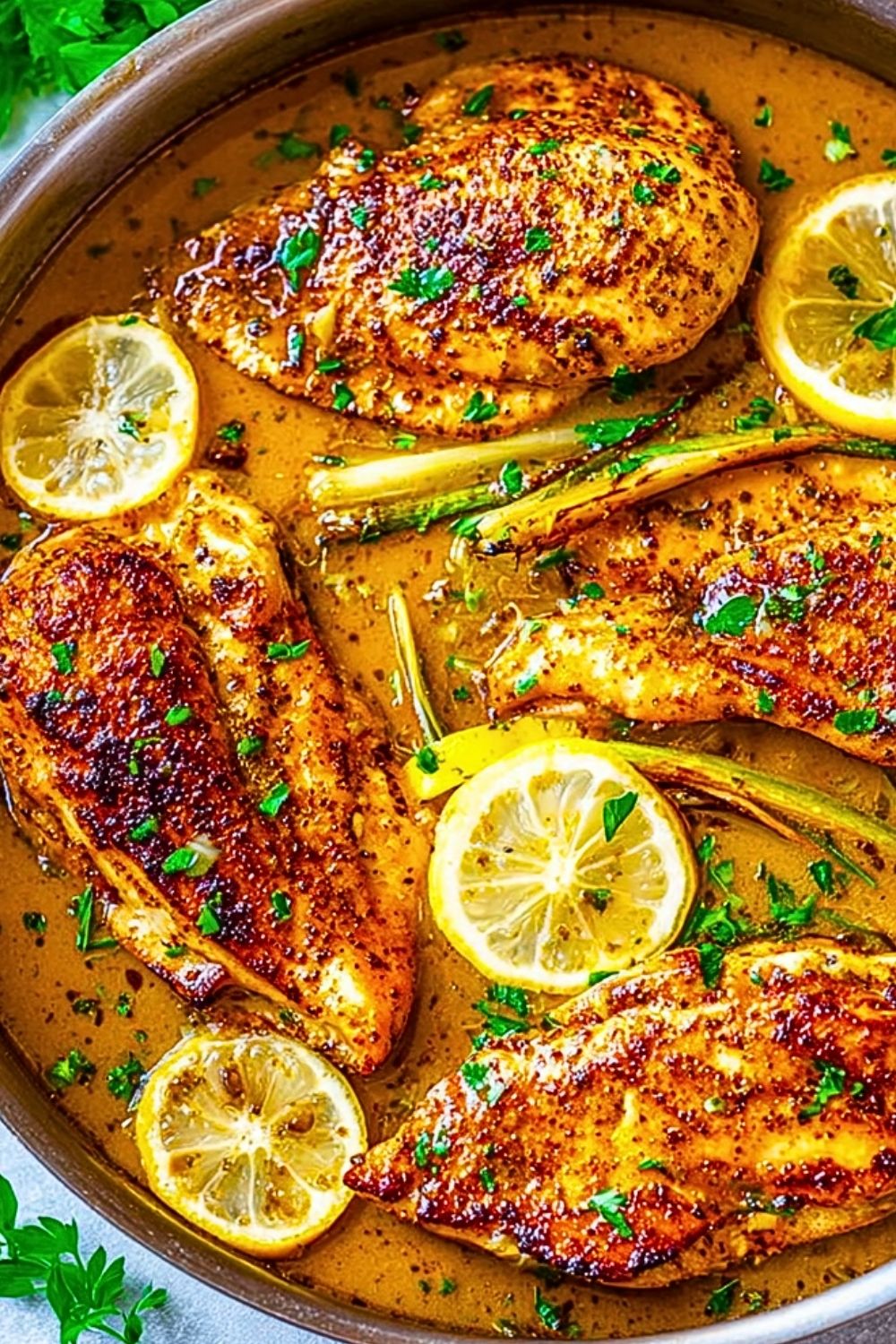
Step 1: Prepare the Chicken
Pat the chicken breasts dry using paper towels before seasoning. Removing excess moisture helps the chicken develop a better golden crust in the skillet.
Season both sides generously with salt, black pepper, paprika, and Italian seasoning. If the chicken breasts are especially thick, lightly pound them to an even thickness so they cook evenly.
Let the seasoned chicken rest for a few minutes while the skillet heats. This allows the seasoning to settle into the surface of the meat and improves the overall flavor.
Step 2: Sear the Chicken
Heat olive oil and a portion of the butter in a large skillet over medium-high heat. Once the skillet is hot, carefully place the chicken into the pan.
Cook the chicken without moving it for several minutes so a golden crust forms. Flip and cook the second side until both sides are beautifully browned.
The chicken does not need to be fully cooked at this stage because it will continue cooking in the sauce later. Remove the chicken from the skillet and set it aside on a plate.
Step 3: Build the Flavor Base
Reduce the heat slightly and add minced garlic to the same skillet. Stir constantly for about a minute until fragrant, being careful not to burn it.
The browned bits left behind from searing the chicken add incredible flavor to the sauce. Stirring the garlic into these caramelized pieces creates a rich foundation for the dish.
At this stage, you can also add a small extra drizzle of olive oil if the skillet appears dry.
Step 4: Make the Lemon Dijon Sauce
Pour the chicken broth into the skillet and gently scrape the bottom of the pan to release all the flavorful browned bits.
Whisk in the Dijon mustard, fresh lemon juice, and remaining butter until the sauce becomes smooth and glossy.
Add lemon slices directly into the skillet for extra citrus flavor while the sauce simmers. If you prefer a creamier sauce, stir in a splash of heavy cream at this stage.
Allow the sauce to simmer gently for a few minutes so the flavors blend together and slightly reduce.
Step 5: Return the Chicken to the Skillet
Place the seared chicken back into the skillet along with any juices collected on the plate. Spoon some of the sauce over the top of each piece.
Reduce the heat to medium-low and allow the chicken to simmer gently in the sauce until fully cooked through.
As the chicken cooks, it absorbs the lemon Dijon flavors while remaining moist and tender. The sauce will continue thickening slightly during this stage.
Step 6: Finish With Fresh Herbs
Once the chicken is cooked through, sprinkle freshly chopped parsley over the skillet.
Taste the sauce and adjust the seasoning if necessary by adding a little more salt, pepper, or lemon juice depending on your preference.
The fresh herbs brighten the final dish and create a beautiful contrast against the rich golden sauce.
Step 7: Serve the One Skillet Lemon Dijon Chicken
Serve the chicken hot directly from the skillet with plenty of sauce spooned over the top.
This dish pairs wonderfully with mashed potatoes, rice, roasted vegetables, pasta, or crusty bread that can soak up every bit of the flavorful sauce.
For an elegant presentation, garnish with extra parsley and fresh lemon slices just before bringing the skillet to the table.
One Skillet Lemon Dijon Chicken
How Long to Prepare the One Skillet Lemon Dijon Chicken
One of the best things about this recipe is how quickly it comes together while still delivering deep, comforting flavor. Most of the preparation involves seasoning the chicken, slicing lemons, and gathering ingredients for the sauce, making it ideal for busy weeknights or last-minute dinner plans.
The cooking process itself moves quickly because everything happens in one skillet. Searing the chicken creates flavor in only a few minutes, while the sauce comes together in the same pan shortly after. The final simmer allows the chicken to soak up the lemon Dijon flavors while staying juicy and tender.
Preparation Time
Preparing the ingredients usually takes about 10 to 15 minutes. This includes trimming the chicken, measuring seasonings, mincing garlic, and slicing lemons.
Cooking Time
Cooking the chicken and simmering the sauce generally takes around 20 to 25 minutes depending on the thickness of the chicken pieces.
Total Time
From start to finish, the entire meal is usually ready in approximately 35 to 40 minutes.
Make-Ahead Option
You can season the chicken and prepare the sauce ingredients several hours ahead of time. This makes dinner even faster when you are ready to cook.
Tips for Perfect One Skillet Lemon Dijon Chicken
Use Evenly Sized Chicken Pieces
Chicken breasts that are similar in thickness cook more evenly and stay juicier. If necessary, gently pound thicker pieces before cooking.
Let the Skillet Heat Properly
A properly heated skillet helps the chicken develop a rich golden crust. Avoid adding the chicken too early or it may stick and steam instead of sear.
Do Not Overcrowd the Pan
Leaving space between the chicken pieces allows better browning and prevents excess moisture from building up in the skillet.
Use Fresh Lemon Juice
Fresh lemon juice creates a brighter and more balanced sauce compared to bottled juice.
Simmer Gently
Keep the sauce at a gentle simmer instead of a rapid boil. This keeps the chicken tender and prevents the sauce from reducing too quickly.
Taste the Sauce Before Serving
The balance between lemon, mustard, and butter can vary depending on personal preference. Adjust seasoning before serving for the best flavor.
Spoon Sauce Over the Chicken Frequently
As the chicken finishes cooking, spooning sauce over the top keeps it moist and flavorful.
Watch Out for These Mistakes While Cooking
Overcooking the Chicken
Chicken breasts can dry out quickly if cooked too long. Use medium heat and remove the chicken once it reaches the proper internal temperature.
Burning the Garlic
Garlic cooks quickly and can become bitter if left unattended. Stir constantly once it is added to the skillet.
Using Too Much Lemon Juice
Too much lemon can overpower the sauce and make it overly acidic. Balance is important for the best flavor.
Skipping the Pan Deglazing Step
The browned bits left in the skillet after searing contain a huge amount of flavor. Scraping them into the sauce creates a much richer result.
Rushing the Sauce Reduction
Allowing the sauce to simmer slowly gives the flavors enough time to blend and develop.
Using Cold Chicken Straight From the Refrigerator
Allowing the chicken to sit at room temperature for a few minutes before cooking helps it cook more evenly.
What to Serve With One Skillet Lemon Dijon Chicken?
Creamy Mashed Potatoes
The buttery mashed potatoes soak up the lemon Dijon sauce beautifully and create a comforting meal.
Steamed Rice
Simple white or brown rice works wonderfully for absorbing the flavorful skillet sauce.
Roasted Vegetables
Roasted asparagus, broccoli, carrots, or Brussels sprouts add texture and balance to the richness of the chicken.
Buttered Pasta
Tender pasta tossed with butter or olive oil pairs perfectly with the tangy sauce.
Crusty Bread
Warm crusty bread is excellent for dipping into every last bit of the sauce left in the skillet.
Storage Instructions
Proper storage helps maintain both the flavor and texture of the One Skillet Lemon Dijon Chicken. The sauce continues developing flavor as it rests, making leftovers especially delicious the next day.
Refrigerating Leftovers
Allow the chicken to cool completely before transferring it to an airtight container. Store both the chicken and sauce together to keep the meat moist.
The leftovers can be refrigerated for up to 3 to 4 days. Reheat gently on the stovetop or in the microwave until warmed through.
Freezing Instructions
This dish can also be frozen if needed. Place cooled chicken and sauce into freezer-safe containers and freeze for up to 2 months.
For the best texture, thaw overnight in the refrigerator before reheating.
Reheating Tips
Reheat over low heat to avoid drying out the chicken. Adding a splash of broth while reheating can help loosen the sauce if it thickens too much.
Estimated Nutrition
Calories
Approximately 350 to 450 calories per serving depending on portion size and optional cream.
Protein
Chicken provides a high amount of lean protein, making this recipe filling and satisfying.
Carbohydrates
The recipe is naturally low in carbohydrates unless served with sides such as pasta or rice.
Fat
Butter and olive oil contribute healthy richness and help create the silky sauce.
Sodium
The sodium content can vary depending on the broth and mustard used.
Fiber
The recipe itself contains minimal fiber, though vegetables served alongside can increase the fiber content.
Frequently Asked Questions
Can I Use Chicken Thighs Instead of Chicken Breasts?
Yes, boneless or bone-in chicken thighs work wonderfully in this recipe and often provide even more flavor and tenderness.
Is This Recipe Very Tangy?
The lemon and Dijon mustard create a bright flavor, but the butter and broth help balance the acidity for a smooth and savory sauce.
Can I Make This Recipe Dairy-Free?
Yes, you can replace the butter with olive oil and skip the optional cream while still maintaining great flavor.
How Do I Know When the Chicken Is Fully Cooked?
The safest way is to use a meat thermometer. The internal temperature should reach 165°F in the thickest part of the chicken.
Can I Add Vegetables Directly to the Skillet?
Absolutely. Spinach, mushrooms, asparagus, or green beans can be added during the simmering stage for a complete one-pan meal.
Conclusion
One Skillet Lemon Dijon Chicken is the kind of dinner that feels both comforting and elegant at the same time. The golden seared chicken combined with the rich lemon mustard sauce creates a meal packed with flavor while remaining surprisingly simple to prepare.
Whether you are making a quick family dinner, preparing meals for the week, or cooking for guests, this recipe delivers reliable results every time. The one-skillet method keeps cleanup easy, while the bright and savory sauce makes the dish unforgettable.
Once you try it, this flavorful skillet chicken may easily become one of your favorite go-to dinner recipes.
One Skillet Lemon Dijon Chicken
- Total Time: 40 minutes
- Yield: 4 servings
Description
This One Skillet Lemon Dijon Chicken is a quick dinner packed with bold, comforting flavor and made entirely in one pan for easy cleanup. Juicy golden chicken breasts simmer in a rich lemon Dijon sauce with garlic, butter, and herbs, creating an easy recipe perfect for busy weeknights, family dinners, meal prep, and comforting food ideas. Whether you need easy dinner inspiration, healthy dinner recipes, or flavorful chicken dinner ideas, this skillet meal delivers tender chicken and a silky sauce that pairs perfectly with rice, pasta, potatoes, or vegetables.
Ingredients
2 large boneless skinless chicken breasts
1 teaspoon salt
1 teaspoon black pepper
1 teaspoon paprika
1 teaspoon Italian seasoning
2 tablespoons olive oil
2 tablespoons butter
4 cloves garlic, minced
1 cup chicken broth
3 tablespoons Dijon mustard
3 tablespoons fresh lemon juice
1 lemon, sliced
2 tablespoons fresh parsley, chopped
2 tablespoons heavy cream (optional)
Instructions
1. Pat the chicken breasts dry with paper towels and season both sides with salt, black pepper, paprika, and Italian seasoning.
2. Heat olive oil and 1 tablespoon butter in a large skillet over medium-high heat.
3. Add the chicken breasts to the skillet and sear for 5 to 6 minutes on each side until golden brown.
4. Remove the chicken from the skillet and set aside on a plate.
5. Lower the heat slightly and add the minced garlic to the skillet. Stir for about 1 minute until fragrant.
6. Pour in the chicken broth and scrape the bottom of the skillet to release the browned bits.
7. Whisk in the Dijon mustard, lemon juice, and remaining butter until the sauce becomes smooth.
8. Add the lemon slices and optional heavy cream to the skillet.
9. Return the chicken to the skillet and spoon sauce over the top.
10. Simmer for 8 to 10 minutes until the chicken is fully cooked and tender.
11. Sprinkle fresh parsley over the chicken before serving.
12. Serve hot with rice, pasta, potatoes, or roasted vegetables.
Notes
Use freshly squeezed lemon juice for the brightest flavor.
Do not overcrowd the skillet or the chicken may steam instead of sear.
Allow the sauce to simmer gently to keep the chicken tender and juicy.
- Prep Time: 15 minutes
- Cook Time: 25 minutes
- Category: Dinner
- Method: Skillet
- Cuisine: American
Nutrition
- Serving Size: 1 chicken breast with sauce
- Calories: 420
- Sugar: 2g
- Sodium: 620mg
- Fat: 24g
- Saturated Fat: 9g
- Unsaturated Fat: 13g
- Trans Fat: 0g
- Carbohydrates: 6g
- Fiber: 1g
- Protein: 42g
- Cholesterol: 145mg
Keywords: one skillet chicken, lemon Dijon chicken, easy dinner recipe, chicken skillet recipe, healthy dinner ideas, one pan meal, quick chicken dinner