
 Sara McKenney
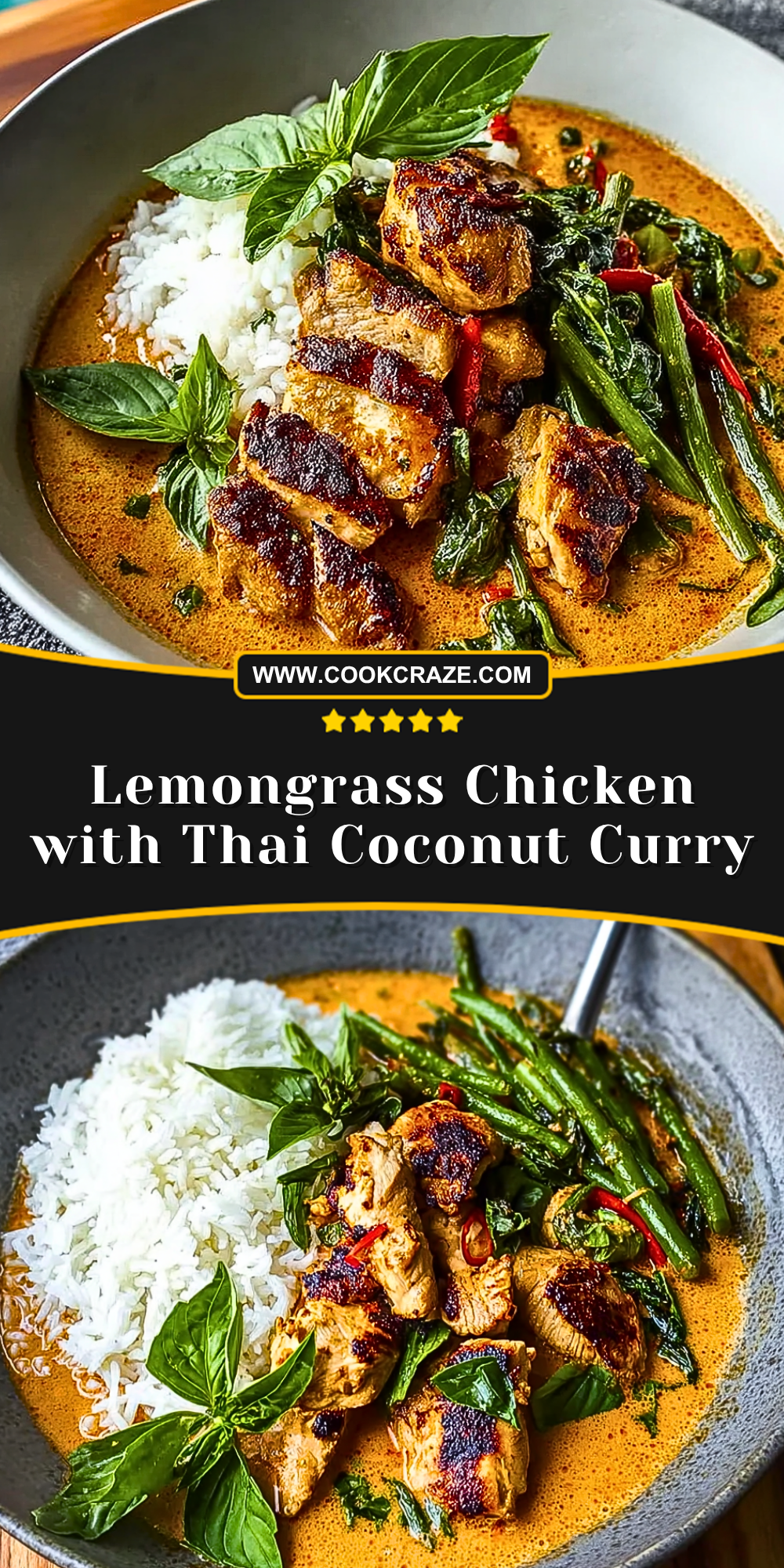
I still remember the first time I made Lemongrass Chicken with Thai Coconut Curry on a rainy evening when I wanted something comforting but full of bright flavors. The aroma of fresh lemongrass, creamy coconut milk, and sizzling chicken instantly filled my kitchen with the kind of warmth that makes you excited to sit down for dinner. Every spoonful brings together tender chicken, fragrant herbs, and a rich curry sauce that feels both cozy and refreshing.
WANT TO SAVE THIS RECIPE?
Just enter your email and get it sent to your inbox!
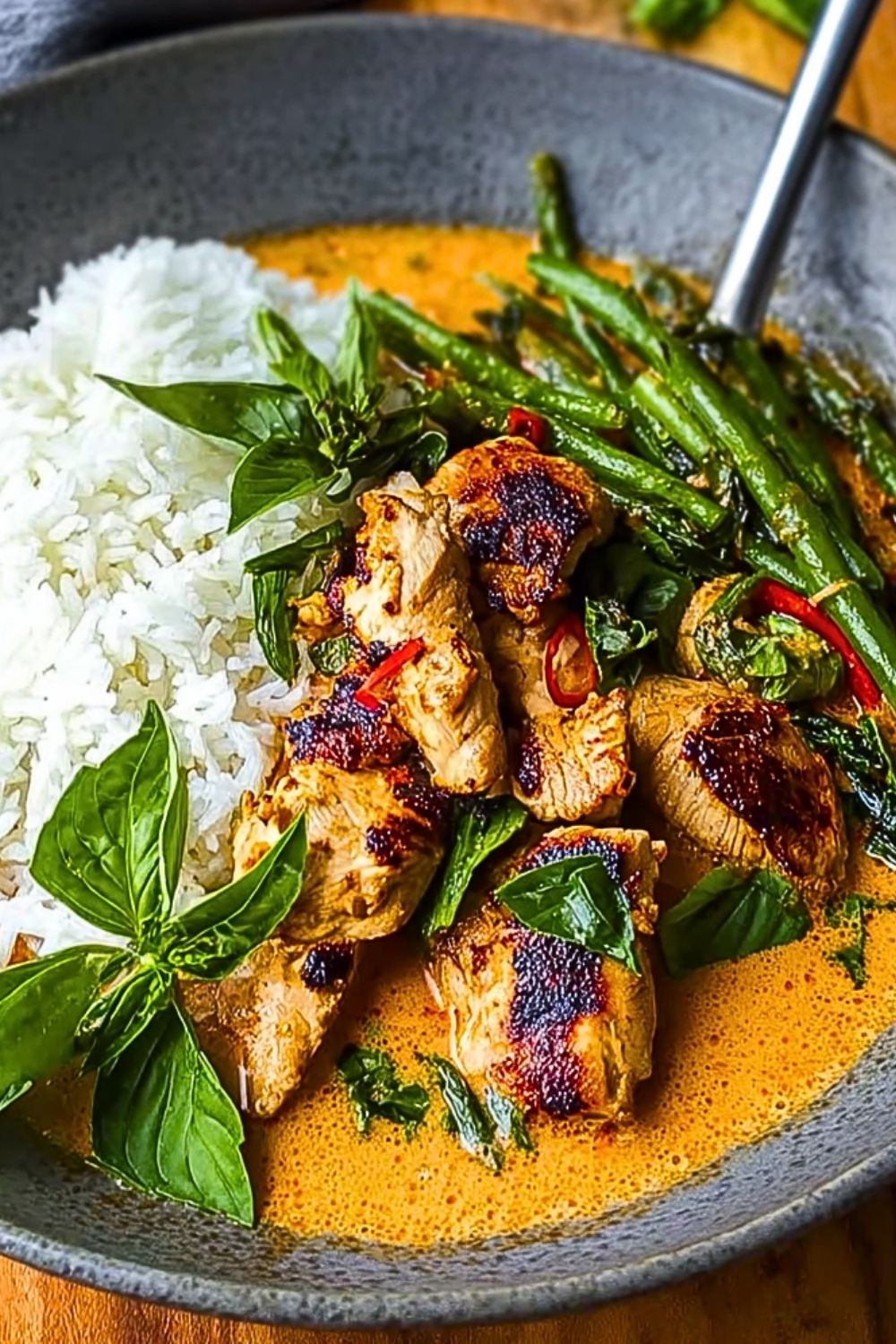
What I love most about this dish is how beautifully balanced it is. The creamy coconut curry has just enough spice, the lemongrass adds a citrusy freshness, and the basil ties everything together with a bold herbal finish. Paired with fluffy jasmine rice, this meal turns into a restaurant-quality dinner that feels surprisingly achievable at home.
Why You’ll Love This Lemongrass Chicken with Thai Coconut Curry
This dish delivers layers of flavor without requiring complicated cooking techniques. The combination of creamy coconut milk and fragrant Thai-inspired ingredients creates a comforting meal that still tastes vibrant and fresh.
It is also incredibly versatile. You can serve it for a quick weeknight dinner, make it for guests, or prepare it ahead for meal prep because the flavors become even richer over time.
The chicken stays juicy while soaking up the savory curry sauce, and the fresh herbs give every bite a burst of freshness. If you enjoy bold, comforting meals with a little heat and a lot of aroma, this recipe checks every box.
What Kind of Coconut Milk Should I Use for Lemongrass Chicken with Thai Coconut Curry?
Full-fat coconut milk is usually the best choice for this recipe because it creates a silky, rich curry sauce that coats the chicken beautifully. It also balances the spice and enhances the natural sweetness of the lemongrass.
Light coconut milk can work if you prefer a lighter dish, but the curry may not feel as creamy or luxurious. If possible, choose canned coconut milk instead of refrigerated coconut beverages, since canned versions provide a thicker consistency and deeper flavor.
You can also experiment with different Thai curry pastes depending on your spice preference. Red curry paste gives a slightly smoky heat, while yellow curry paste offers a milder and slightly sweeter flavor profile.
Options for Substitutions
If you do not have fresh lemongrass, lemongrass paste can be a convenient substitute and still delivers plenty of citrusy flavor.
Chicken thighs are ideal because they stay tender in the curry sauce, but chicken breast works well too if you prefer leaner meat.
For the vegetables, asparagus can easily be swapped with green beans, bell peppers, snap peas, or broccoli depending on what you have available.
Fresh Thai basil adds authentic flavor, though regular basil can still provide a delicious herbal note if that is easier to find.
If you need a dairy-free and gluten-free meal, this recipe naturally fits both categories as long as you use a gluten-free curry paste and fish sauce alternative if needed.
For a vegetarian version, tofu or chickpeas make excellent replacements for chicken while still soaking up the creamy curry sauce beautifully.
Ingredients for This Lemongrass Chicken with Thai Coconut Curry
Chicken
Chicken is the heart of this recipe, bringing rich savory flavor and plenty of protein. Boneless chicken thighs are especially delicious because they stay juicy and tender while soaking up the fragrant curry sauce.
Lemongrass
Fresh lemongrass gives the dish its signature citrusy aroma and bright flavor. It adds freshness that balances the creamy coconut curry perfectly.
Coconut Milk
Coconut milk creates the silky, luxurious texture of the curry sauce. It softens the heat from the curry paste while adding subtle sweetness.
Thai Red Curry Paste
Thai red curry paste provides bold flavor with layers of spice, garlic, chilies, and aromatics. It forms the flavor base of the entire dish.
Garlic
Garlic adds depth and warmth to the curry while enhancing the savory flavor of the chicken.
Ginger
Fresh ginger brings gentle heat and a slightly peppery freshness that pairs beautifully with lemongrass.
Fish Sauce
Fish sauce adds salty umami richness that makes the curry taste authentic and deeply flavorful.
Brown Sugar
A small amount of brown sugar balances the spice and acidity in the curry while enhancing the natural sweetness of coconut milk.
Lime Juice
Fresh lime juice brightens the entire dish and keeps the curry from feeling too heavy.
Jasmine Rice
Steamed jasmine rice absorbs the creamy curry sauce beautifully and turns the meal into a satisfying dinner.
Thai Basil
Thai basil adds a fresh herbal flavor with a slight peppery note that complements the coconut curry perfectly.
Asparagus
Asparagus adds texture, freshness, and color while balancing the richness of the sauce.
Onion
Onion builds a savory flavor foundation and adds subtle sweetness as it cooks.
Olive Oil or Coconut Oil
Oil helps sear the chicken and allows the aromatics to release their flavors properly.
Salt
Salt enhances all the flavors throughout the dish and helps season the chicken evenly.
Black Pepper
Black pepper adds mild heat and rounds out the flavor profile.
Step 1: Prepare the Lemongrass and Aromatics
Trim the tough outer layers from the lemongrass stalks and finely mince the tender inner portion. This helps release the bright citrus flavor throughout the curry.
Dice the onion, mince the garlic, and grate the ginger so everything is ready before cooking begins. Having all ingredients prepared ahead makes the cooking process much smoother and faster.
Pat the chicken dry with paper towels and season it lightly with salt and black pepper. This helps the chicken develop a flavorful golden crust during searing.
Step 2: Sear the Chicken
Heat olive oil or coconut oil in a large skillet or deep pan over medium-high heat. Once the oil is hot, place the chicken into the pan in a single layer.
Cook the chicken for several minutes on each side until deeply golden and lightly charred. The caramelized exterior adds incredible flavor to the finished curry.
Do not overcrowd the pan because crowded chicken will steam instead of sear. Work in batches if necessary.
Once browned, remove the chicken from the pan and set it aside while preparing the curry sauce.
Step 3: Build the Flavor Base
Reduce the heat slightly and add the diced onion to the same pan. Cook until softened and lightly golden.
Stir in the garlic, ginger, and minced lemongrass. Cook for about one minute until fragrant. The kitchen should smell warm, citrusy, and aromatic.
Add the Thai red curry paste and stir continuously so it toasts slightly in the oil. This step deepens the flavor and removes any raw taste from the paste.
Step 4: Create the Coconut Curry Sauce
Slowly pour in the coconut milk while stirring constantly to combine it with the curry paste.
Add the fish sauce and brown sugar, then stir until fully blended. The sauce should become smooth, creamy, and deeply orange in color.
Allow the curry sauce to simmer gently for several minutes so the flavors can fully develop.
If you prefer a thinner curry, add a splash of chicken broth or water. For a thicker curry, simmer a little longer uncovered.
Step 5: Return the Chicken to the Pan
Place the seared chicken back into the curry sauce along with any juices collected on the plate.
Spoon the sauce over the chicken and let everything simmer together until the chicken is fully cooked and tender.
As the chicken cooks in the curry, it absorbs the creamy coconut flavors while staying incredibly juicy.
Step 6: Add the Vegetables
Add the asparagus pieces to the pan and cook until they are tender but still slightly crisp.
Vegetables added near the end of cooking keep their vibrant color and fresh texture instead of becoming overly soft.
You can also add bell peppers, snap peas, zucchini, or broccoli depending on your preference.
Step 7: Finish with Fresh Herbs and Lime
Stir in the Thai basil leaves just before serving so they stay bright and aromatic.
Squeeze fresh lime juice over the curry to balance the creamy richness with fresh acidity.
Taste the curry and adjust seasoning if needed. A little extra fish sauce adds saltiness, while more lime brightens the flavors.
Step 8: Prepare the Jasmine Rice
While the curry simmers, cook jasmine rice according to package instructions.
Fluff the rice with a fork once cooked to keep it light and tender.
The fragrant rice is perfect for soaking up every bit of the creamy coconut curry sauce.
Step 9: Assemble and Serve
Spoon a generous portion of jasmine rice into serving bowls.
Top with the lemongrass chicken and ladle plenty of coconut curry sauce over everything.
Finish with extra Thai basil, sliced chilies, or lime wedges for additional freshness and color.
Serve immediately while hot for the best flavor and texture.
Step 10: Enjoy the Full Flavor Experience
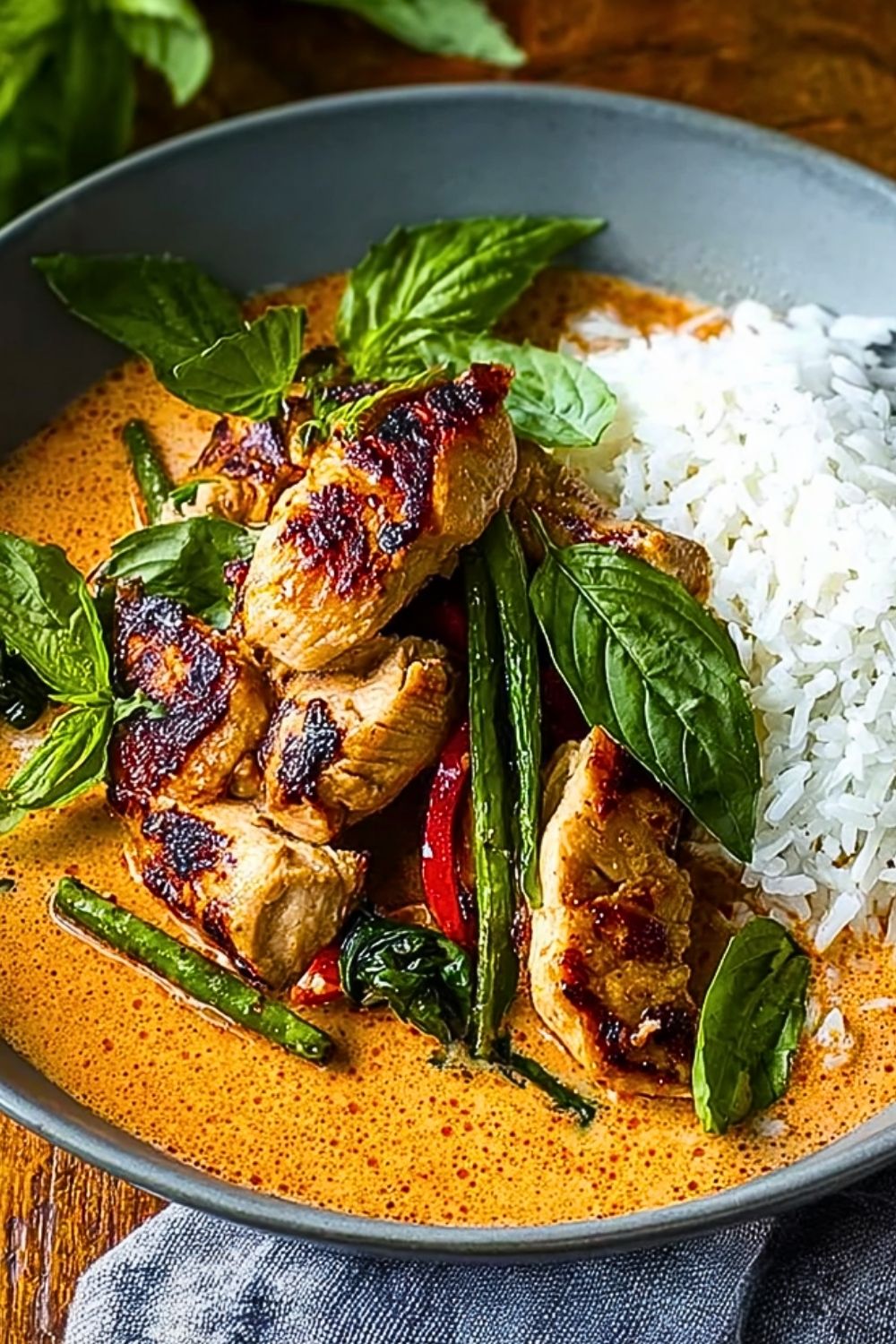
Every bite of this Lemongrass Chicken with Thai Coconut Curry delivers creamy coconut richness, aromatic herbs, citrusy lemongrass, and savory chicken in perfect balance.
The combination of textures and flavors makes this dish feel comforting yet vibrant at the same time. It is the kind of meal that feels special enough for guests while still being simple enough for a cozy dinner at home.
How Long to Prepare Lemongrass Chicken with Thai Coconut Curry
Preparing Lemongrass Chicken with Thai Coconut Curry is surprisingly manageable, even though the dish tastes like something from a restaurant kitchen. Most of the preparation time comes from chopping the fresh ingredients and allowing the chicken to develop flavor while cooking. Once everything is prepped, the cooking process moves quickly.
This recipe is ideal for both weeknight dinners and relaxed weekend cooking because the steps are straightforward and rewarding. The curry sauce comes together in one pan, making cleanup easier while still delivering layers of rich flavor.
Preparation Time
The ingredient preparation usually takes about 15 to 20 minutes. This includes trimming and mincing the lemongrass, cutting the chicken, slicing vegetables, preparing herbs, and measuring the sauce ingredients.
If you organize the ingredients before cooking, the entire process becomes smoother and faster.
Cooking Time
The cooking portion generally takes around 25 to 30 minutes. Searing the chicken creates flavor, while simmering the curry allows the coconut milk and aromatics to fully blend together.
Cooking the rice at the same time helps everything finish together for a perfectly timed meal.
Total Time
From start to finish, the recipe usually takes approximately 45 to 50 minutes.
Despite the bold flavors and rich sauce, this dish does not require hours in the kitchen, making it an excellent choice for a homemade dinner that feels impressive without being overwhelming.
Tips for Perfect Lemongrass Chicken with Thai Coconut Curry
Use fresh lemongrass whenever possible because it delivers a brighter and more authentic citrus flavor than dried alternatives.
Allow the chicken to sear properly before flipping it. A deep golden crust adds incredible flavor to the curry sauce.
Do not boil the coconut milk aggressively. Gentle simmering keeps the sauce smooth and creamy instead of separating.
Taste the curry before serving and adjust the balance. Sometimes an extra squeeze of lime juice or splash of fish sauce can completely elevate the final flavor.
Add fresh basil at the very end of cooking so the leaves stay fragrant and vibrant.
If you enjoy extra spice, sliced Thai chilies or chili oil can easily increase the heat level without overpowering the dish.
Cooking jasmine rice slightly ahead of time allows it to steam and fluff beautifully before serving.
Using a wide skillet or sauté pan helps the curry reduce evenly and prevents overcrowding.
For even deeper flavor, marinate the chicken with garlic, lemongrass, and a little fish sauce for 30 minutes before cooking.
Watch Out for These Mistakes While Cooking
One common mistake is cutting the lemongrass too large. Tough pieces can become unpleasant to eat, so finely mincing the tender inner portion is important.
Overcooking the chicken can make it dry, especially if using chicken breast. Simmer gently and remove from heat once fully cooked.
Adding vegetables too early may cause them to become mushy. Vegetables like asparagus and bell peppers should stay slightly crisp for the best texture.
Using low-quality coconut milk can affect both texture and flavor. Thin coconut milk may produce a watery curry instead of a rich, silky sauce.
Skipping the curry paste toasting step reduces depth of flavor. Cooking the paste briefly in oil helps unlock its full aroma.
Too much fish sauce can overpower the dish with saltiness. Start with a smaller amount and adjust gradually.
Crowding the pan while searing the chicken prevents proper browning and creates steam instead of caramelization.
Forgetting the lime juice at the end can leave the curry tasting heavy. The acidity balances the richness beautifully.
What to Serve With Lemongrass Chicken with Thai Coconut Curry?
Jasmine Rice
Classic jasmine rice is the perfect companion because it absorbs the creamy coconut curry sauce while adding light floral aroma.
Thai Cucumber Salad
A crisp cucumber salad with rice vinegar and herbs adds refreshing contrast to the rich curry.
Garlic Noodles
Soft garlic noodles pair beautifully with the creamy sauce and create an extra comforting meal.
Steamed Vegetables
Simple steamed broccoli, bok choy, or green beans provide freshness and balance alongside the rich curry.
Crispy Spring Rolls
Crispy vegetable or shrimp spring rolls add crunch and make the meal feel complete and restaurant-worthy.
Storage Instructions
Refrigerating Leftovers
Allow the curry to cool completely before transferring it into airtight containers. Stored properly in the refrigerator, the curry stays fresh for up to 4 days.
Interestingly, the flavors often deepen overnight, making leftovers even more delicious the next day.
Freezing the Curry
This curry freezes surprisingly well because of the coconut milk base. Store it in freezer-safe containers for up to 2 months.
For best results, freeze the curry separately from the rice to maintain the ideal texture during reheating.
Reheating Instructions
Reheat gently on the stovetop over medium-low heat while stirring occasionally.
If the sauce thickens too much after refrigeration, add a small splash of water or broth to loosen it.
Microwave reheating also works well for quick meals, though stovetop reheating preserves the texture more effectively.
Estimated Nutrition
The nutritional values may vary depending on ingredient brands and portion sizes, but a typical serving of Lemongrass Chicken with Thai Coconut Curry includes a balanced combination of protein, healthy fats, and carbohydrates.
Estimated Per Serving
- Calories: 520–620
- Protein: 32–38 grams
- Carbohydrates: 28–35 grams
- Fat: 28–35 grams
- Saturated Fat: 18–22 grams
- Fiber: 3–5 grams
- Sugar: 5–8 grams
- Sodium: 700–950 milligrams
Using light coconut milk or serving with extra vegetables can slightly reduce the calorie content while keeping the dish flavorful.
Frequently Asked Questions
Can I make Lemongrass Chicken with Thai Coconut Curry ahead of time?
Yes, this recipe is excellent for meal prep because the flavors continue developing as the curry sits. Many people find it even tastier the next day.
Is this curry very spicy?
The spice level depends on the curry paste you use. Most versions are moderately spicy, but you can easily reduce or increase the heat according to your preference.
Can I use chicken breast instead of chicken thighs?
Absolutely. Chicken breast works well, though chicken thighs usually stay juicier and more flavorful in the curry sauce.
What can I use instead of fish sauce?
Soy sauce, tamari, or a vegetarian fish sauce alternative can work if you prefer a different flavor profile or need a vegetarian option.
Can I add more vegetables?
Definitely. Bell peppers, zucchini, broccoli, mushrooms, spinach, and snap peas all work wonderfully in this curry.
Conclusion
Lemongrass Chicken with Thai Coconut Curry is the perfect combination of comforting richness and vibrant freshness. The creamy coconut sauce, aromatic lemongrass, tender chicken, and fresh herbs create a dish that feels deeply satisfying while still tasting bright and balanced.
One of the best things about this recipe is how approachable it is. Even with its bold restaurant-style flavor, the cooking process stays simple enough for home cooks of any experience level.
Whether you are preparing a cozy family dinner, meal prepping for the week, or serving guests something impressive, this curry delivers flavor, warmth, and comfort in every single bite.
Lemongrass Chicken with Thai Coconut Curry
- Total Time: 50 minutes
- Yield: 4 servings
- Diet: Gluten Free
Description
Bring bold Thai-inspired flavors to your dinner table with this creamy Lemongrass Chicken with Thai Coconut Curry. Tender seared chicken is simmered in a rich coconut curry sauce infused with fresh lemongrass, garlic, ginger, and Thai basil for an easy dinner that tastes restaurant-quality. This comforting yet vibrant dish is perfect for weeknight meals, dinner ideas, cozy family dinners, or impressive food ideas when entertaining guests. Served with fluffy jasmine rice, every bite delivers the perfect balance of creamy, savory, fresh, and slightly spicy flavors.
Ingredients
2 pounds boneless skinless chicken thighs
2 tablespoons coconut oil
1 small onion diced
4 cloves garlic minced
1 tablespoon fresh ginger grated
2 stalks lemongrass finely minced
3 tablespoons Thai red curry paste
1 can full-fat coconut milk
1 tablespoon fish sauce
1 tablespoon brown sugar
1 tablespoon fresh lime juice
1 bunch asparagus cut into pieces
1 cup fresh Thai basil leaves
1 teaspoon salt
1/2 teaspoon black pepper
3 cups cooked jasmine rice
Lime wedges for serving
Instructions
1. Pat the chicken dry with paper towels and season with salt and black pepper.
2. Heat coconut oil in a large skillet over medium-high heat.
3. Sear the chicken for several minutes on each side until golden brown and lightly charred. Remove and set aside.
4. In the same pan, cook the diced onion until softened.
5. Add garlic, ginger, and minced lemongrass, then cook until fragrant.
6. Stir in the Thai red curry paste and cook for one minute to deepen the flavor.
7. Pour in the coconut milk and stir until smooth and creamy.
8. Add fish sauce and brown sugar, then simmer for several minutes.
9. Return the chicken to the pan and spoon the sauce over the top.
10. Simmer gently until the chicken is fully cooked and tender.
11. Add the asparagus and cook until tender-crisp.
12. Stir in Thai basil and fresh lime juice just before serving.
13. Serve the curry over warm jasmine rice with extra basil and lime wedges.
Notes
Use full-fat coconut milk for the richest and creamiest curry texture.
Add Thai basil at the very end to preserve its fresh flavor and aroma.
Do not boil the coconut milk aggressively or the sauce may separate.
- Prep Time: 20 minutes
- Cook Time: 30 minutes
- Category: Dinner
- Method: Stovetop
- Cuisine: Thai-Inspired
Nutrition
- Serving Size: 1 serving
- Calories: 580
- Sugar: 7g
- Sodium: 850mg
- Fat: 34g
- Saturated Fat: 20g
- Unsaturated Fat: 11g
- Trans Fat: 0g
- Carbohydrates: 32g
- Fiber: 4g
- Protein: 36g
- Cholesterol: 145mg
Keywords: lemongrass chicken, thai coconut curry, easy dinner, curry recipe, chicken curry, coconut milk curry, thai basil chicken, quick dinner ideas, comfort food, food ideas