
 Sara McKenney

I always come back to this Easy Flaky All Butter Pie Crust whenever I want a pie that feels homemade from the very first bite. The buttery layers bake up golden and crisp, creating the kind of crust that holds together beautifully while still melting in your mouth. After testing different methods over the years, I found that keeping the ingredients simple and handling the dough gently makes all the difference.
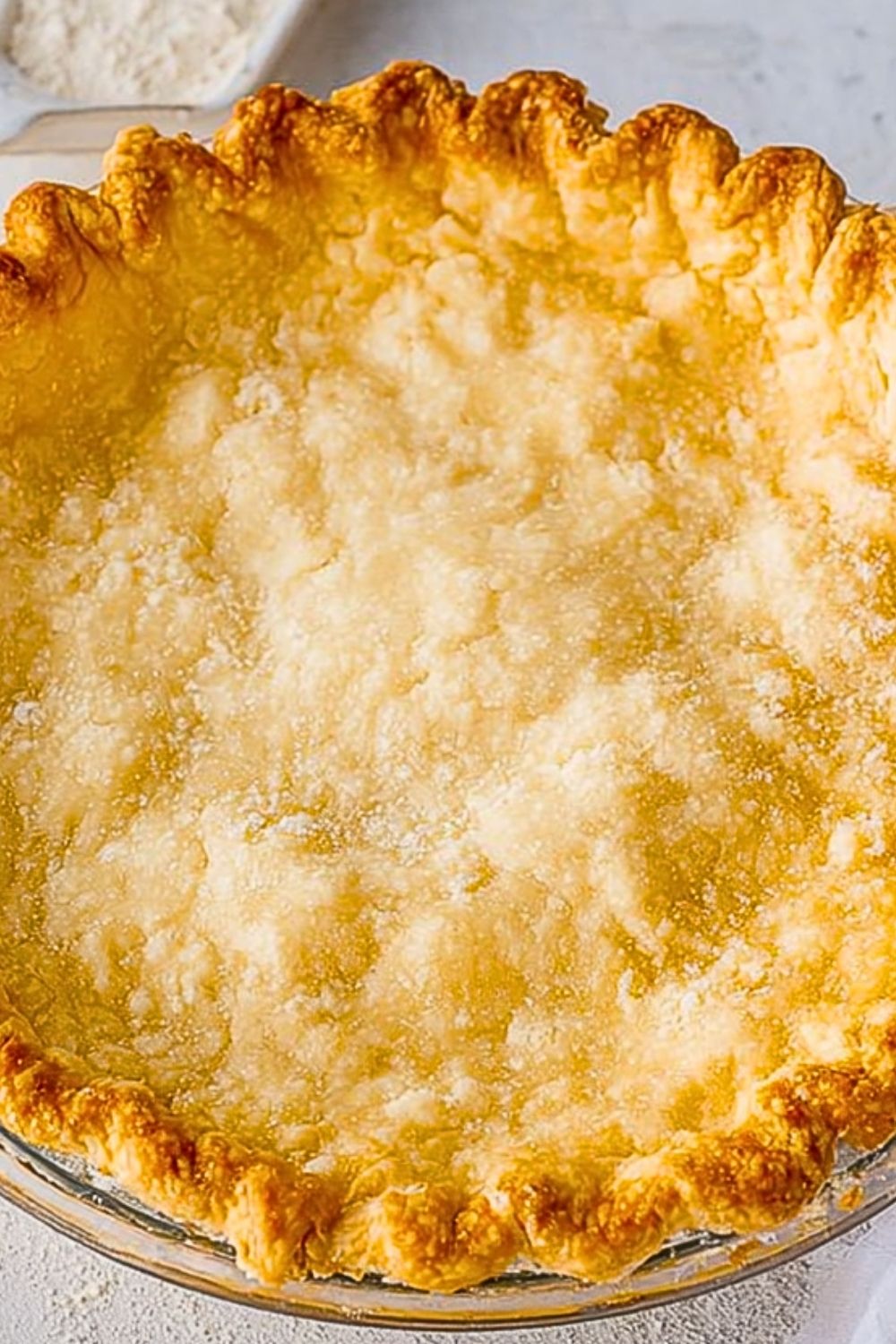
What I love most about this pie crust is how versatile it is. I use it for fruit pies, savory quiches, holiday desserts, and even hand pies when I want something extra cozy. The rich butter flavor gives every pie a classic bakery-style taste without needing any complicated ingredients or special equipment.
Why You’ll Love This Easy Flaky All Butter Pie Crust
This pie crust delivers tender, flaky layers with a rich buttery flavor that instantly upgrades any pie filling. Because it uses only butter instead of shortening, the taste feels deeper and more homemade.
The dough is also easy to work with once chilled properly. It rolls out smoothly, holds decorative edges well, and bakes into a crisp crust with beautiful golden color.
Another reason I keep this recipe on repeat is its flexibility. It works perfectly for sweet pies like apple or blueberry, but it’s just as reliable for savory dishes such as chicken pot pie or quiche.
What Kind of Butter Should I Use for Easy Flaky All Butter Pie Crust?
The best butter for this pie crust is unsalted butter because it gives you full control over the flavor and salt level in the dough. European-style butter is especially wonderful if you want an even richer taste since it contains a slightly higher butterfat percentage.
Cold butter is the real key to creating flaky layers. When little pieces of butter remain in the dough, they release steam while baking and create those delicate pockets that make pie crust irresistible.
If salted butter is all you have available, you can still make the crust successfully. Simply reduce the added salt slightly so the dough stays balanced and not overly salty.
Options for Substitutions
If you need a gluten-free version, you can swap the all-purpose flour for a quality gluten-free flour blend designed for baking. Make sure the blend contains xanthan gum or another binder to help the dough stay together.
For a slightly different flavor, a small amount of sour cream or plain Greek yogurt can replace part of the ice water. This creates a softer dough with a subtle tang and helps keep the crust tender.
Although butter gives the crust its signature flavor, some bakers like combining butter with a small amount of shortening for extra stability. This can make the dough easier to handle in very warm kitchens.
You can also add a teaspoon of sugar when making dessert pies. It enhances browning and gives the crust a touch of sweetness without overpowering the filling.
Ingredients for This Easy Flaky All Butter Pie Crust
All-Purpose Flour
All-purpose flour creates the structure of the pie crust while still keeping it tender enough to produce delicate flaky layers. It provides the perfect balance between strength and softness, making the dough easy to roll and shape.
Unsalted Butter
Butter is the star ingredient in this recipe because it gives the crust its rich flavor and signature flaky texture. Using very cold butter is essential because the tiny butter pieces melt during baking and create steam pockets that form beautiful layers.
Salt
Salt enhances the flavor of the crust and keeps the buttery taste from feeling flat. Even in sweet pies, a small amount of salt helps balance the overall flavor.
Ice Water
Ice water brings the dough together while keeping the butter cold. Cold liquid is critical because warm dough can soften the butter too early and prevent the crust from becoming flaky.
Granulated Sugar
A small amount of sugar is optional but highly recommended for dessert pies. It adds a subtle sweetness and helps the crust brown beautifully in the oven.
Apple Cider Vinegar or Lemon Juice
A splash of vinegar or lemon juice helps relax the gluten in the dough, creating a more tender crust. It also makes the dough easier to work with after chilling.
Step 1: Prepare the Butter and Dry Ingredients
Start by placing the flour, salt, and optional sugar into a large mixing bowl. Whisk everything together thoroughly so the ingredients are evenly distributed.
Cut the cold butter into small cubes before adding it to the flour mixture. Working quickly is important because the butter should stay cold throughout the process.
You can use a pastry cutter, two forks, or your fingertips to work the butter into the flour. The mixture should resemble coarse crumbs with some larger pea-sized butter pieces still visible. Those larger pieces are what create the flaky layers during baking.
If your kitchen feels warm, place the bowl in the refrigerator for a few minutes before continuing. Keeping the dough cold at every stage is one of the most important secrets to success.
Step 2: Add the Ice Water
Fill a small cup with ice water and allow it to chill for a minute before measuring the amount needed. Add the vinegar or lemon juice to the water if using.
Drizzle the ice water into the flour mixture one tablespoon at a time while gently tossing with a fork. Avoid pouring all the water in at once because different flour brands absorb moisture differently.
The dough should begin clumping together while still looking slightly shaggy. When you squeeze a handful in your palm, it should hold together without feeling sticky.
Be careful not to overmix the dough. Overworking develops too much gluten and can make the crust tough instead of flaky.
Step 3: Form the Dough
Turn the dough onto a lightly floured surface and gently press it together into a rough mound. Divide the dough evenly into two portions if making a double-crust pie.
Shape each portion into a flat disk instead of a ball. Flat disks chill faster and roll out more evenly later.
Wrap each disk tightly in plastic wrap or reusable food wrap. Refrigerate the dough for at least one hour before rolling.
Chilling allows the gluten to relax and firms up the butter again, making the dough easier to handle while improving the final texture.
Step 4: Roll Out the Dough
Lightly flour your work surface and rolling pin before placing the chilled dough onto the counter. Let the dough sit for a few minutes if it feels too firm straight from the refrigerator.
Roll from the center outward while turning the dough slightly after every few rolls. This helps maintain an even thickness and prevents sticking.
Continue rolling until the dough is about two inches wider than your pie dish. The crust should be thin enough to bake evenly but thick enough to hold the filling securely.
If cracks appear around the edges, gently press them back together with your fingertips.
Step 5: Transfer the Dough to the Pie Dish
Carefully fold the dough in half or roll it loosely around the rolling pin before transferring it into the pie dish.
Gently press the dough into the bottom and sides of the dish without stretching it. Stretching causes the crust to shrink while baking.
Trim any excess dough around the edges, leaving about one inch hanging over the sides.
Fold the overhang underneath itself to create a thicker border, then crimp the edges using your fingers or a fork.
Step 6: Chill Before Baking
Place the prepared pie crust back into the refrigerator for at least 20 to 30 minutes before baking. This extra chilling step helps the crust maintain its shape in the oven.
If making a cream pie or custard pie, you may need to blind bake the crust first. To do this, line the crust with parchment paper and fill it with pie weights or dried beans.
Bake according to your recipe instructions until the edges become lightly golden.
Step 7: Bake the Pie Crust
For a fully baked crust, preheat the oven thoroughly before placing the pie inside. A hot oven helps create steam quickly, which forms flaky layers.
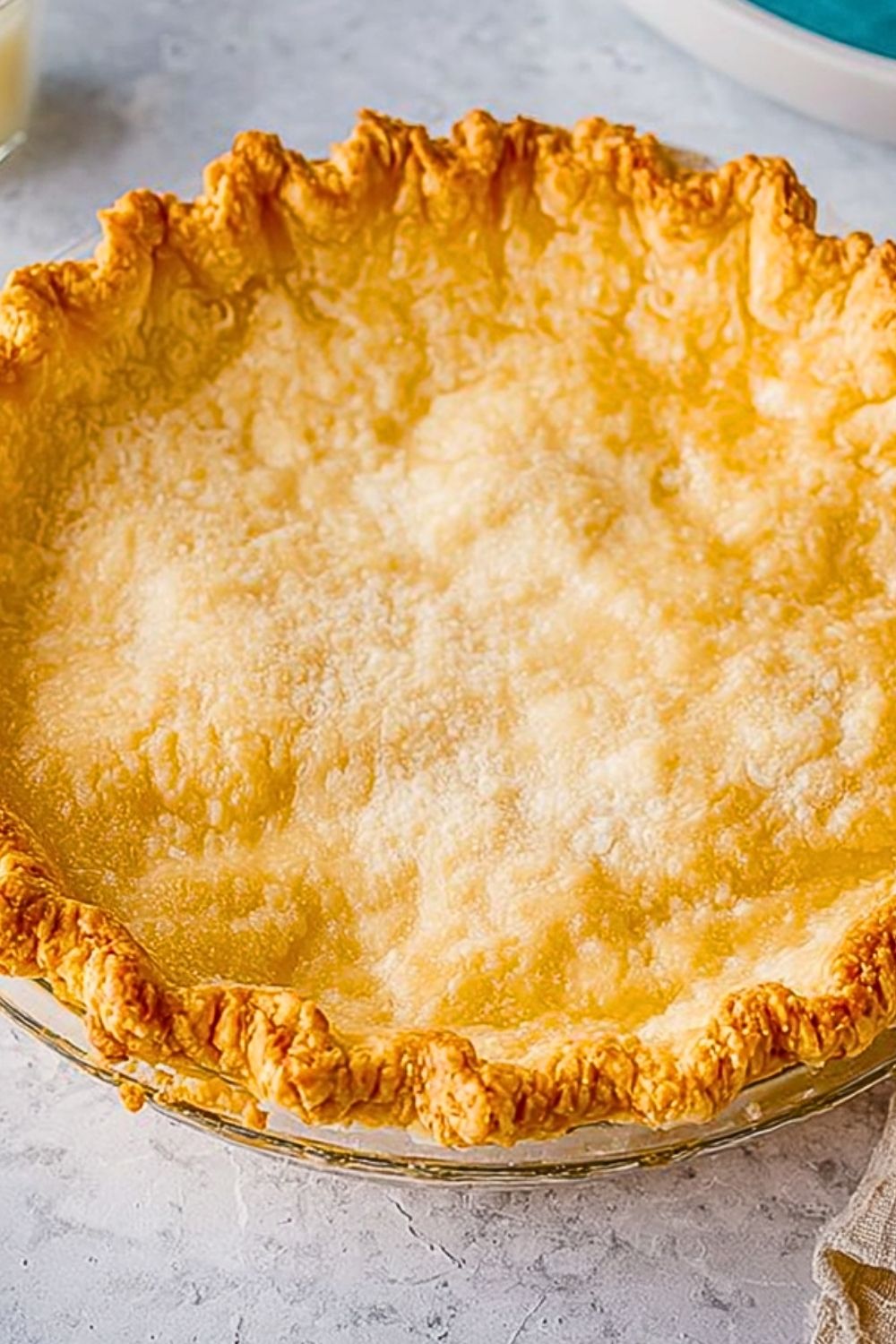
Bake until the crust turns deep golden brown with crisp edges. Underbaked pie crust can taste doughy and lose its flaky texture.
Allow the crust to cool slightly before filling if using for no-bake pies.
The finished crust should feel crisp, buttery, and sturdy enough to support any filling while still remaining tender with every bite.
Easy Flaky All Butter Pie Crust
How Long to Prepare the Easy Flaky All Butter Pie Crust
Making a homemade pie crust does not require complicated techniques, but it does benefit from patience and proper chilling time. The active preparation itself is fairly quick, especially once you become comfortable handling the dough. Most of the time involved comes from chilling the butter and resting the dough, both of which are essential for creating flaky layers.
For the mixing and dough preparation, you can expect to spend around 15 to 20 minutes. This includes measuring ingredients, cutting the butter into the flour, and forming the dough into disks. Rolling out the dough and fitting it into the pie pan usually takes another 10 to 15 minutes depending on your experience.
The chilling stage is where the real magic happens. Refrigerating the dough for at least one hour helps the gluten relax while allowing the butter to firm up again. If you have extra time, chilling the dough longer can improve the texture even more.
For blind baking or fully baking the crust, oven time generally ranges from 20 to 40 minutes depending on the recipe. A partially baked crust for custard pies takes less time, while a fully baked crust for cream pies needs a deeper golden color and longer baking.
Overall, while the total time may seem longer because of resting periods, the actual hands-on work is simple and rewarding. The result is a buttery homemade crust that tastes far better than most store-bought versions.
Tips for Perfect Easy Flaky All Butter Pie Crust
Always start with very cold butter straight from the refrigerator. Cold butter is what creates steam pockets in the oven and forms those beautiful flaky layers.
Measure flour correctly by spooning it into the measuring cup and leveling it off. Packing too much flour into the cup can make the dough dry and difficult to handle.
Use ice water instead of regular cold water. The colder the dough stays during preparation, the flakier the final crust becomes.
Avoid overmixing the dough. Mix only until the dough just starts coming together because excessive mixing develops gluten and creates a tough crust.
Chill the dough before rolling and again before baking. This prevents shrinking and helps maintain decorative edges.
Roll the dough evenly to avoid thin spots that may tear or overly thick areas that bake unevenly.
If the dough becomes sticky while rolling, return it to the refrigerator for a few minutes instead of adding too much extra flour.
For extra shine and color, brush the crust lightly with egg wash before baking.
Bake the pie on the lower oven rack when possible. This helps the bottom crust cook thoroughly and stay crisp.
Allow the baked crust to cool properly before slicing pies with juicy fillings. Cooling helps the filling set and keeps the crust from becoming soggy.
Watch Out for These Mistakes While Cooking
One of the biggest mistakes is using butter that becomes too soft before baking. Warm butter melts too quickly and prevents flaky layers from forming properly.
Adding too much water can make the dough sticky and tough. Always add water gradually until the dough just barely holds together.
Overworking the dough is another common issue. Kneading or mixing too aggressively develops gluten and creates a chewy crust instead of a tender one.
Skipping the chilling stages often leads to shrinking crusts and uneven baking. Cold dough is easier to shape and holds its structure much better in the oven.
Using too much flour while rolling can dry out the dough and affect the texture. Use only enough flour to prevent sticking.
Underbaking the crust may leave the bottom pale and soft. A properly baked pie crust should have a rich golden color with crisp texture.
Stretching the dough to fit the pie dish instead of gently lowering it into place can cause the crust to shrink dramatically during baking.
Blind baking without pie weights can lead to bubbling and uneven surfaces. Pie weights help the crust keep its shape while baking.
What to Serve With Easy Flaky All Butter Pie Crust?
Fresh Apple Pie Filling
A buttery pie crust pairs perfectly with warm cinnamon-spiced apples. The flaky texture contrasts beautifully with soft fruit filling and creates a classic dessert combination.
Homemade Chicken Pot Pie
This crust works wonderfully with creamy savory fillings like chicken pot pie. The rich buttery flavor complements vegetables, herbs, and tender chicken perfectly.
Whipped Cream and Berry Pies
Fresh berries topped with lightly sweetened whipped cream create a refreshing dessert that lets the buttery crust shine.
Pumpkin Pie
The crisp texture of the crust balances the smooth creamy pumpkin filling beautifully, especially during holiday baking.
Quiche and Savory Egg Dishes
This crust is sturdy enough for quiche fillings filled with eggs, cheese, vegetables, and meats. It creates a delicious contrast to creamy savory custards.
Storage Instructions
Homemade pie crust stores surprisingly well when handled properly. Unbaked dough disks can be wrapped tightly in plastic wrap and refrigerated for up to three days. Keeping the dough cold prevents the butter from softening and preserves the flaky texture.
For longer storage, the dough freezes exceptionally well. Wrap each disk in plastic wrap followed by aluminum foil or a freezer-safe bag to protect it from freezer burn. Frozen dough can last up to three months.
When ready to use frozen dough, transfer it to the refrigerator overnight so it can thaw gradually. Avoid thawing at room temperature because the butter may soften too quickly.
Fully baked pie crusts can also be stored at room temperature for about one day when covered loosely. For longer freshness, refrigerate baked crusts in an airtight container.
If storing a filled pie, follow the storage guidelines for the specific filling. Fruit pies can usually stay at room temperature briefly, while cream and custard pies should always be refrigerated.
To refresh leftover baked crust, place slices in a warm oven for a few minutes. This helps restore crispness and improves texture.
Estimated Nutrition
The nutritional values may vary slightly depending on ingredient brands and serving sizes, but one slice of pie crust generally contains:
- Calories: 220 to 260
- Carbohydrates: 18 to 22 grams
- Fat: 15 to 18 grams
- Saturated Fat: 9 to 11 grams
- Protein: 2 to 4 grams
- Sodium: 120 to 180 milligrams
- Fiber: Less than 1 gram
- Sugar: 0 to 2 grams
Because this crust uses real butter, it has a rich flavor and satisfying texture that makes even small servings feel indulgent.
Frequently Asked Questions
Can I make Easy Flaky All Butter Pie Crust ahead of time?
Yes, the dough can be prepared several days in advance and stored in the refrigerator. It also freezes very well for longer storage.
Why is my pie crust shrinking while baking?
Shrinking usually happens when the dough was stretched into the pie pan or not chilled long enough before baking.
Can I use salted butter instead of unsalted butter?
Yes, but reduce the added salt slightly so the crust does not become overly salty.
How do I keep the bottom crust from getting soggy?
Blind baking, using a lower oven rack, and fully preheating the oven all help create a crisp bottom crust.
What makes pie crust flaky?
Flakiness comes from small cold pieces of butter in the dough. As the butter melts in the oven, steam creates delicate layers throughout the crust.
Conclusion
This Easy Flaky All Butter Pie Crust is one of those timeless kitchen recipes that every baker should have in their collection. With its rich buttery flavor, crisp golden edges, and delicate flaky layers, it transforms both sweet and savory pies into something truly special.
Once you learn the simple techniques of keeping the ingredients cold and handling the dough gently, homemade pie crust becomes far less intimidating. The result is a reliable crust that tastes fresher, richer, and more satisfying than anything store-bought.
Whether you are preparing a holiday dessert, a comforting pot pie, or a simple fruit tart, this recipe delivers dependable results every time. After making it once, you may never want to go back to packaged pie crust again.
Easy Flaky All Butter Pie Crust
- Total Time: 1 hour 55 minutes
- Yield: 2 pie crusts
- Diet: Vegetarian
Description
This Easy Flaky All Butter Pie Crust is rich, buttery, crisp, and perfectly tender with delicate flaky layers in every bite. It’s the ultimate homemade pie crust recipe for everything from classic apple pie and pumpkin pie to savory quiche and chicken pot pie. Whether you need an easy dessert recipe, holiday baking idea, homemade comfort food, or simple pie dough for breakfast ideas and dinner ideas, this reliable recipe delivers bakery-style results with simple pantry ingredients.
Ingredients
2 1/2 cups all-purpose flour
1 cup unsalted butter, very cold and cubed
1 teaspoon salt
1 tablespoon granulated sugar
1 teaspoon apple cider vinegar or lemon juice
6 to 8 tablespoons ice water
Instructions
1. In a large mixing bowl, whisk together the flour, salt, and sugar until evenly combined.
2. Add the cold cubed butter to the flour mixture and cut it in using a pastry cutter or your fingertips until the mixture resembles coarse crumbs with pea-sized butter pieces remaining.
3. Mix the vinegar or lemon juice into the ice water.
4. Add the ice water gradually, one tablespoon at a time, gently mixing with a fork until the dough begins to come together.
5. Turn the dough onto a lightly floured surface and gently press it together without overworking it.
6. Divide the dough into two equal portions and shape each into a flat disk.
7. Wrap the dough disks tightly and refrigerate for at least 1 hour.
8. Lightly flour your work surface and roll out the chilled dough into a circle about 2 inches larger than your pie dish.
9. Carefully transfer the dough into the pie dish and gently press it into the bottom and sides without stretching it.
10. Trim the edges, leaving about 1 inch of overhang, then fold and crimp the edges as desired.
11. Chill the prepared crust again for 20 to 30 minutes before baking.
12. For blind baking, line the crust with parchment paper and pie weights, then bake at 375°F until lightly golden.
13. For a fully baked crust, continue baking until the crust becomes deep golden brown and crisp.
14. Allow the crust to cool before filling or serving.
Notes
Use extremely cold butter to create the flakiest texture possible.
Do not overmix the dough or the crust may become tough instead of tender.
Chilling the dough before rolling and baking helps prevent shrinking during baking.
- Prep Time: 20 minutes
- Cook Time: 35 minutes
- Category: Dessert
- Method: Baking
- Cuisine: American
Nutrition
- Serving Size: 1 slice
- Calories: 240
- Sugar: 1g
- Sodium: 150mg
- Fat: 16g
- Saturated Fat: 10g
- Unsaturated Fat: 5g
- Trans Fat: 0g
- Carbohydrates: 21g
- Fiber: 1g
- Protein: 3g
- Cholesterol: 40mg
Keywords: easy pie crust, flaky pie crust, butter pie crust, homemade pie dough, easy baking recipe, dessert ideas, savory pie crust, holiday pie recipe