
 Sara McKenney
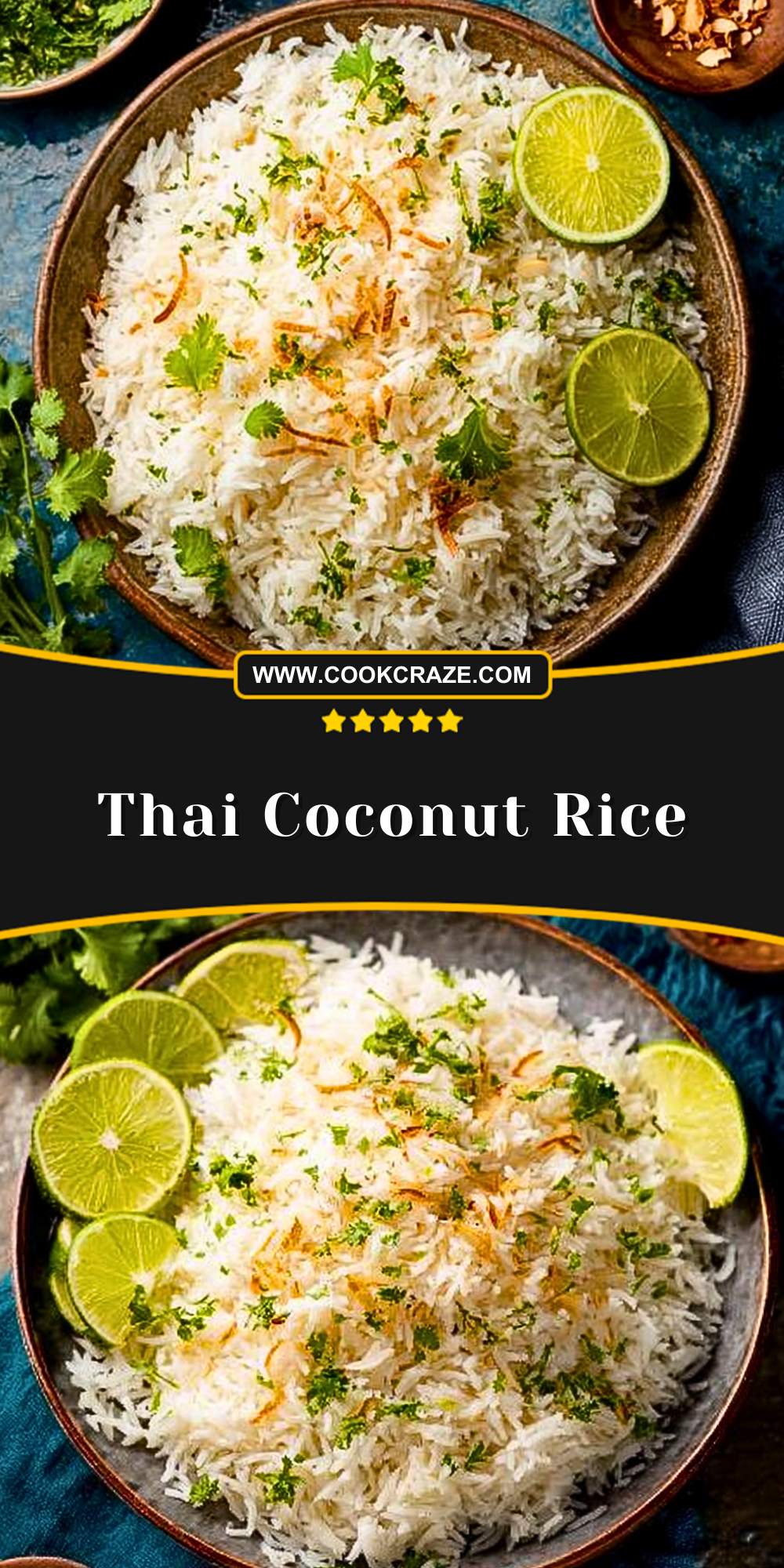
Fluffy, fragrant, and with the perfect hint of sweetness — Thai Coconut Rice is one of those sides that quietly steals the show. I remember the first time I tried it at a small street-side restaurant in Chiang Mai. The silky richness of coconut milk absorbed into every grain of jasmine rice was unforgettable. It instantly elevated the humble rice bowl into something deeply comforting and a little bit indulgent.
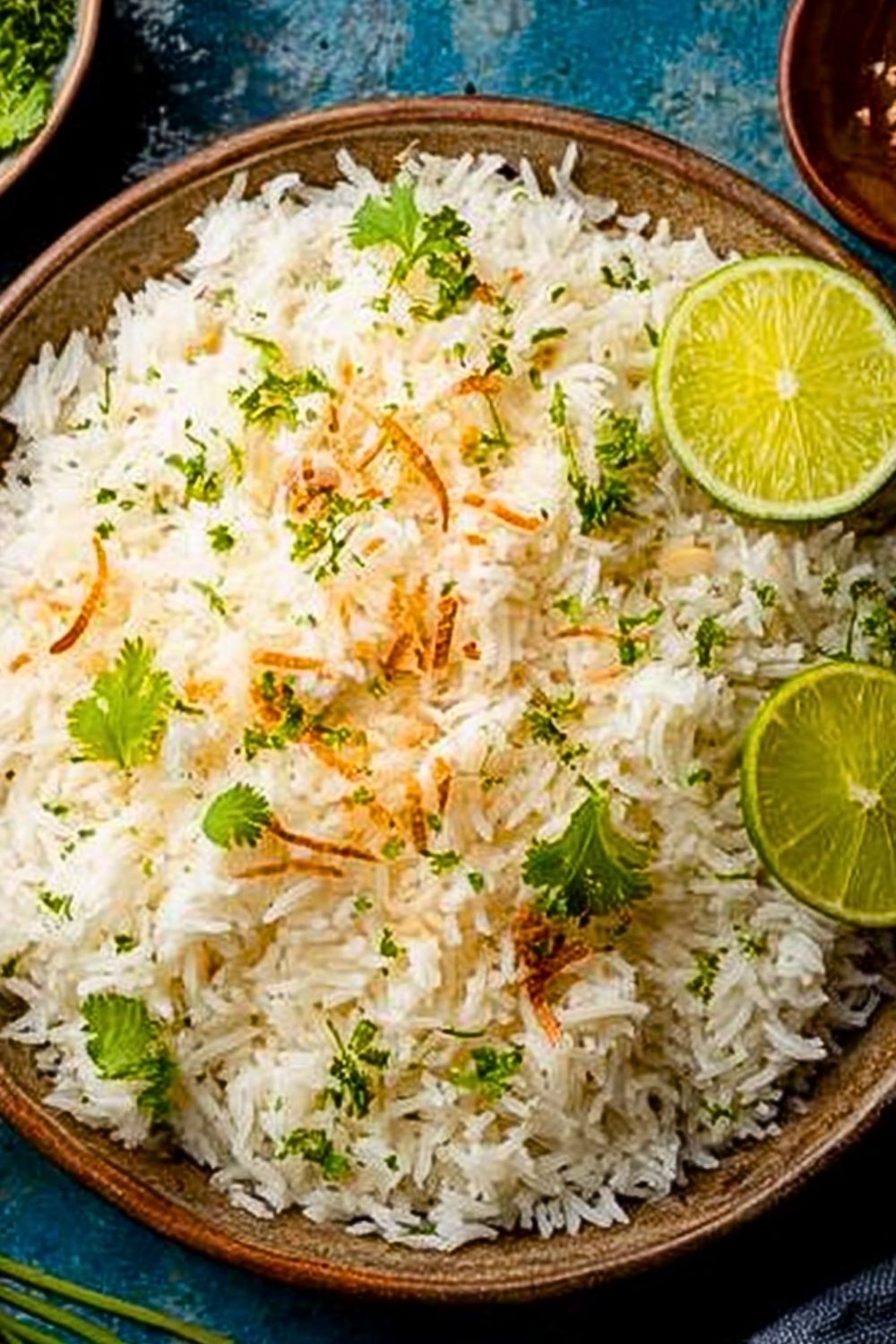
Since then, I’ve made it countless times at home. What I love most is how effortlessly it fits into a variety of meals, whether paired with spicy curries, grilled meats, or just eaten on its own with a squeeze of lime. It’s simple, yet luxurious — and once you try it, it’s hard to go back to plain rice.
Why You’ll Love This Thai Coconut Rice
- It’s naturally dairy-free and vegan.
- The texture is ultra-soft and fluffy with a hint of creaminess.
- Comes together with just a few pantry staples.
- A crowd-pleaser that pairs with almost any Thai or tropical-inspired dish.
- Offers a subtle sweetness that balances spicy and savory entrees perfectly.
What Kind of Rice Should I Use?
The best choice is jasmine rice. Its light floral aroma and slightly sticky texture are ideal for soaking up the creamy coconut milk while maintaining fluffiness. Long-grain jasmine rice gives the most authentic taste and texture — avoid short-grain or brown rice as they can turn gummy or take too long to cook.
Options for Substitutions
- Rice: If jasmine rice isn’t available, you can use basmati rice as a backup — just know the flavor will be slightly different.
- Coconut Milk: Full-fat canned coconut milk is best for creaminess, but lite coconut milk works if you’re watching calories.
- Sweetener: Traditional Thai coconut rice often has a touch of sugar — swap white sugar with honey or maple syrup for a natural option.
- Aromatics: Add a pandan leaf or a small piece of fresh ginger during cooking for extra fragrance.
Ingredients for Thai Coconut Rice
- Jasmine Rice – The backbone of this recipe. Its naturally floral aroma and delicate texture pair beautifully with coconut.
- Coconut Milk – Provides the signature creaminess and subtle sweetness. Full-fat canned coconut milk is preferred.
- Water – Used to balance the richness of the coconut milk and ensure the rice cooks evenly.
- Sugar – Adds just a touch of sweetness, enhancing the coconut flavor.
- Salt – Essential to balance the sweetness and round out the flavors.
- Fresh Lime – Optional, but a squeeze of lime brightens up the final dish.
- Fresh Chopped Cilantro or Parsley – For garnish and a fresh herbal note.
Step 1: Rinse the Rice Thoroughly
Rinse the jasmine rice under cold water until the water runs clear. This removes excess starch and prevents the rice from becoming gummy.
Step 2: Combine Ingredients in a Pot
In a medium saucepan, combine the rinsed rice, coconut milk, water, sugar, and salt. Stir well to combine and make sure nothing sticks to the bottom.
Step 3: Bring to a Simmer
Place the pot over medium heat and bring the mixture to a gentle simmer. Stir occasionally to prevent sticking.
Step 4: Cover and Cook
Once simmering, reduce the heat to low and cover the pot with a tight-fitting lid. Cook for 15–18 minutes, or until the liquid is absorbed and the rice is tender.
Step 5: Let It Rest
Remove the pot from heat but keep it covered. Let the rice rest for 10 minutes — this allows the steam to finish cooking the rice and makes it fluffier.
Step 6: Fluff and Garnish
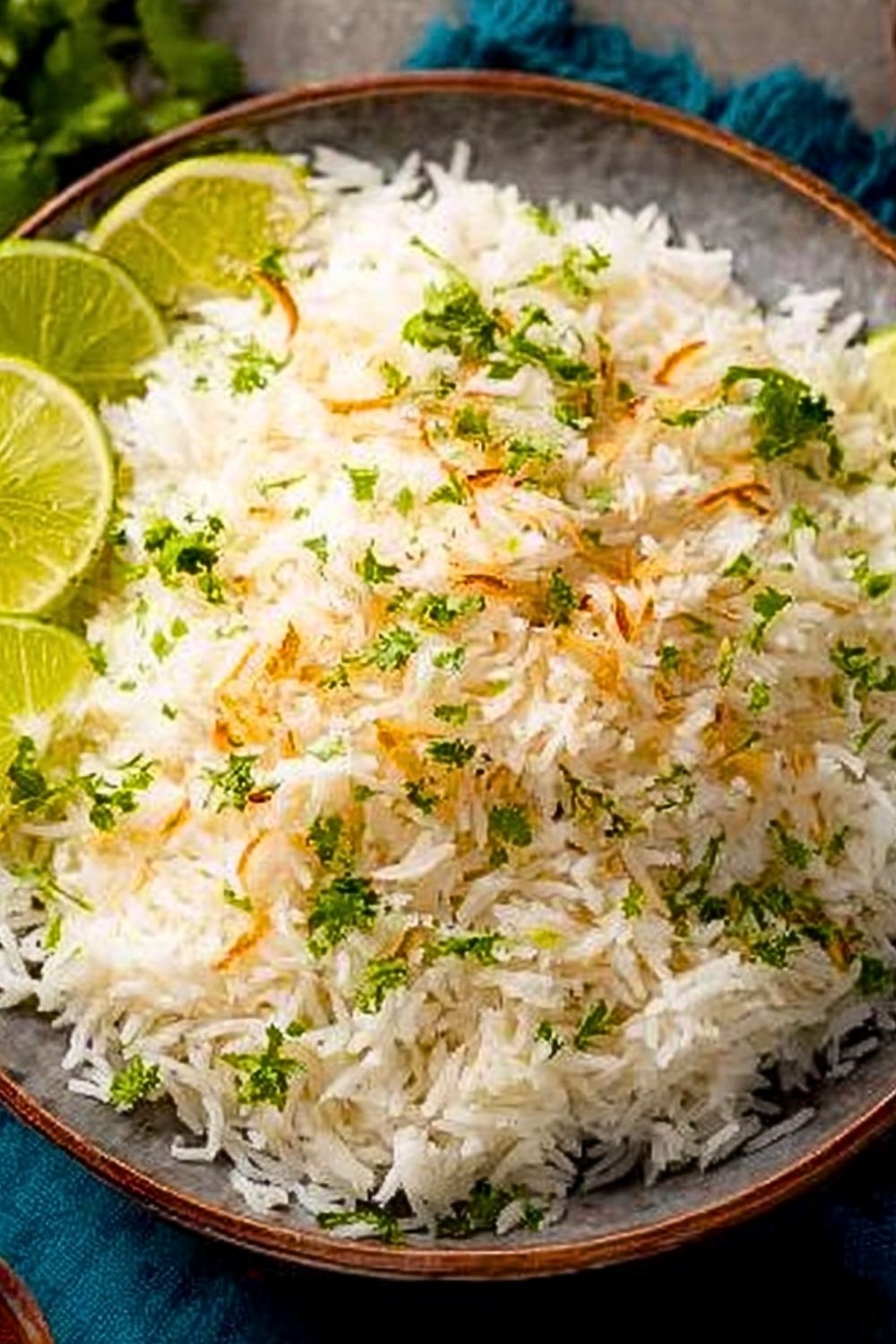
Use a fork to gently fluff the rice. Garnish with fresh chopped cilantro or parsley and lime wedges for brightness.
How Long to Prepare Thai Coconut Rice
Preparing Thai Coconut Rice is relatively quick and low-effort. The active time is minimal, but allowing the rice to rest is key to achieving that perfectly fluffy texture.
Preparation Time: Washing and assembling ingredients takes about 5 minutes. Bringing it to a simmer and setting it up to cook will take another 5–7 minutes.
Cooking Time: Simmering and steaming the rice takes approximately 15–18 minutes. An additional 10 minutes of rest time helps complete the cooking process gently.
Tips for Perfect Thai Coconut Rice
- Always rinse the rice to avoid gumminess.
- Use full-fat coconut milk for the best flavor and texture.
- Don’t skip the resting period — it makes a huge difference in fluffiness.
- Stir well before cooking to prevent the coconut milk from separating.
- If doubling the recipe, avoid overcrowding the pot to ensure even cooking.
Watch Out for These Mistakes While Cooking
- Not rinsing the rice: This leads to sticky or overly starchy rice.
- Boiling too vigorously: It can cause the rice to cook unevenly or burn.
- Skipping the lid: The rice won’t steam properly without a tight lid.
- Using low-fat coconut milk: Results in less creamy and flavorful rice.
- Overcooking: Too much cooking time dries the rice out.
What to Serve With Thai Coconut Rice?
1. Thai Green Curry
The creamy, spicy curry complements the subtle sweetness of coconut rice perfectly.
2. Grilled Lemongrass Chicken
Savory and charred, this protein-rich dish adds depth to your plate.
3. Mango Slices
A refreshing and simple tropical side that enhances the rice’s natural sweetness.
4. Spicy Shrimp Stir-Fry
The heat from the shrimp dish is balanced beautifully by the mild coconut rice.
5. Thai Peanut Sauce Vegetables
Creamy, nutty, and vibrant — this adds a rich contrast to the fluffy rice.
Storage Instructions
Refrigeration: Store cooled Thai Coconut Rice in an airtight container in the refrigerator for up to 4 days. Make sure it’s completely cool before sealing to avoid moisture buildup.
Freezing: You can freeze the rice in individual portions using freezer-safe containers or resealable bags. It lasts well for up to 1 month.
Reheating: Sprinkle a little water over the rice and reheat it in the microwave covered with a damp paper towel, or steam it lightly on the stovetop to bring back its moisture.
Estimated Nutrition (Per Serving)
- Calories: 210
- Carbohydrates: 35g
- Protein: 3g
- Fat: 7g
- Saturated Fat: 6g
- Sodium: 140mg
- Fiber: 1g
- Sugar: 2g
Frequently Asked Questions
How do I prevent the rice from sticking to the pot?
Make sure to rinse the rice thoroughly and use a heavy-bottomed pot. Stirring occasionally before the lid goes on helps too.
Can I make Thai Coconut Rice in a rice cooker?
Absolutely! Just combine all ingredients and use the white rice setting. Let it rest once done.
Is it okay to use brown rice?
Brown rice needs more liquid and a longer cooking time. It can be done but won’t have the same fluffy, creamy texture.
How sweet is this rice supposed to be?
It’s subtly sweet — not dessert-level. The sugar is meant to enhance the coconut flavor, not dominate.
Can I skip the sugar?
Yes, especially if serving with very savory or sweet dishes. The flavor will be more neutral but still delicious.
Conclusion
Thai Coconut Rice is one of those simple yet magical dishes that transforms an everyday meal into something a little more special. With just a few ingredients and minimal effort, you get a side that’s rich, fragrant, and beautifully balanced. Whether you’re cooking up a Thai feast or just want something new to go with your grilled chicken or stir-fried veggies, this rice fits in flawlessly. Once you try it, you’ll wonder why you didn’t start making it sooner.
Thai Coconut Rice
- Total Time: 28 minutes
- Yield: 4 servings
Description
If you’re looking for a quick side dish that turns heads and complements just about any meal, Thai Coconut Rice is your go-to. Creamy, aromatic, and slightly sweet, this easy dinner side brings the exotic flavor of Southeast Asia to your plate in under 30 minutes. Whether you’re planning tropical food ideas, refreshing breakfast ideas, or just need an easy recipe that impresses, this dish delivers. It’s naturally dairy-free and vegan, making it one of those rare crowd-pleasers that checks every box.
Ingredients
1 cup jasmine rice
1 cup full-fat coconut milk
1 cup water
1 tablespoon sugar
1/2 teaspoon salt
1 tablespoon fresh lime juice (optional)
2 tablespoons chopped cilantro or parsley (for garnish)
Instructions
1. Rinse the jasmine rice under cold water until the water runs clear to remove excess starch.
2. In a medium saucepan, combine the rinsed rice, coconut milk, water, sugar, and salt. Stir to blend evenly.
3. Bring the mixture to a gentle simmer over medium heat, stirring occasionally.
4. Once simmering, reduce heat to low, cover the pot, and let it cook for 15–18 minutes, or until liquid is absorbed.
5. Remove from heat and keep covered for 10 minutes to allow the rice to steam and finish cooking.
6. Fluff the rice gently with a fork and garnish with chopped herbs and lime juice before serving.
Notes
Always rinse your rice — it keeps the grains from clumping and helps the coconut flavor shine.
Letting the rice rest after cooking ensures a fluffier texture and better flavor absorption.
Use full-fat coconut milk for a richer taste — lite versions can water down the dish.
- Prep Time: 5 minutes
- Cook Time: 18 minutes
- Category: Side Dish
- Method: Stovetop
- Cuisine: Thai
Nutrition
- Serving Size: 1/2 cup
- Calories: 210
- Sugar: 2g
- Sodium: 140mg
- Fat: 7g
- Saturated Fat: 6g
- Unsaturated Fat: 1g
- Trans Fat: 0g
- Carbohydrates: 35g
- Fiber: 1g
- Protein: 3g
- Cholesterol: 0mg
Keywords: coconut rice, Thai rice, easy dinner, side dish, vegan, gluten-free, tropical rice