
 Sara McKenney
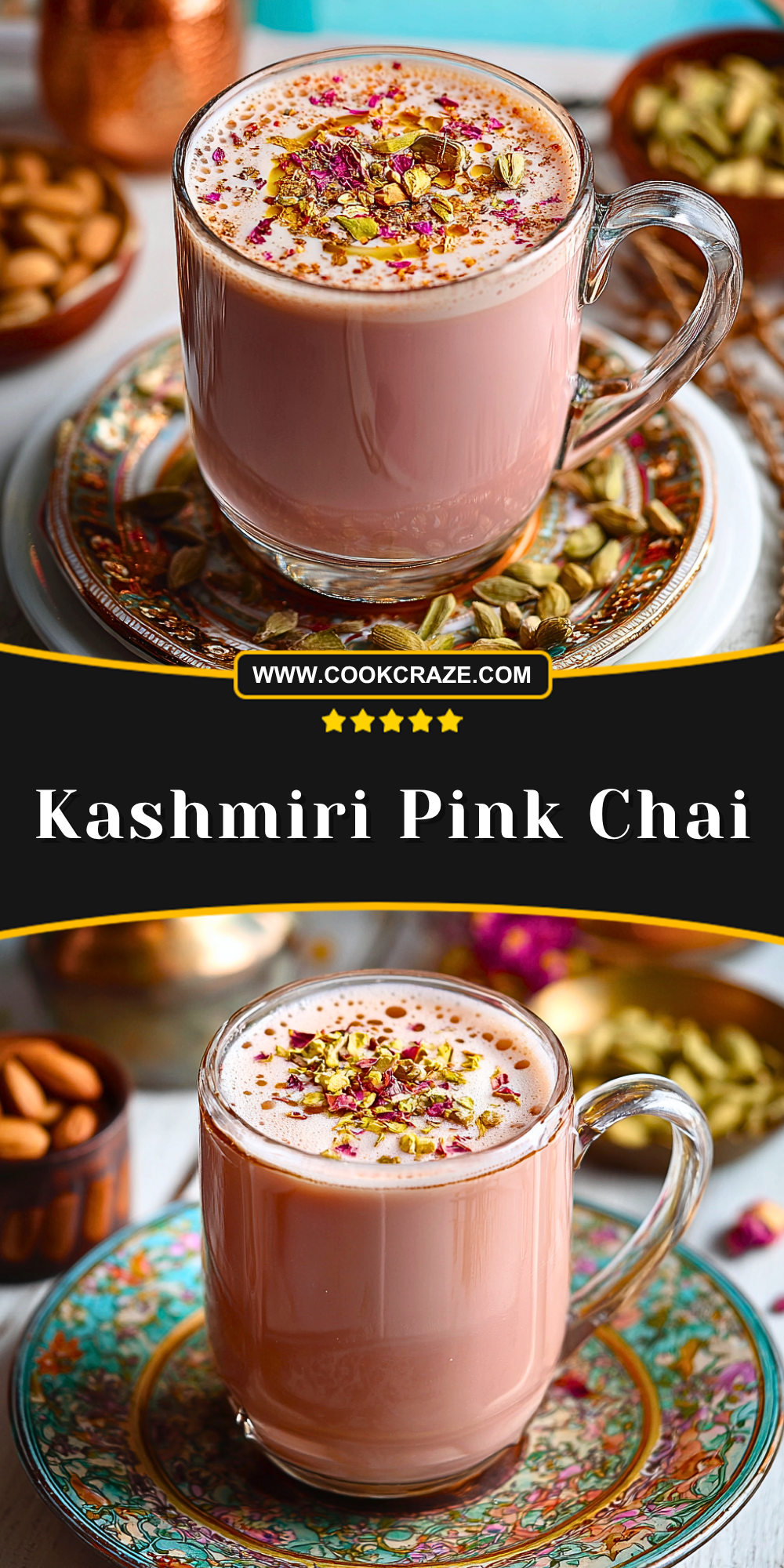
I still remember the first time I watched this beautiful Kashmiri Pink Chai being prepared—the transformation from a deep tea color into that signature soft pink felt almost magical. There’s something incredibly comforting about holding a warm cup of this creamy, aromatic drink, especially when it’s topped with crushed nuts and a sprinkle of spice.
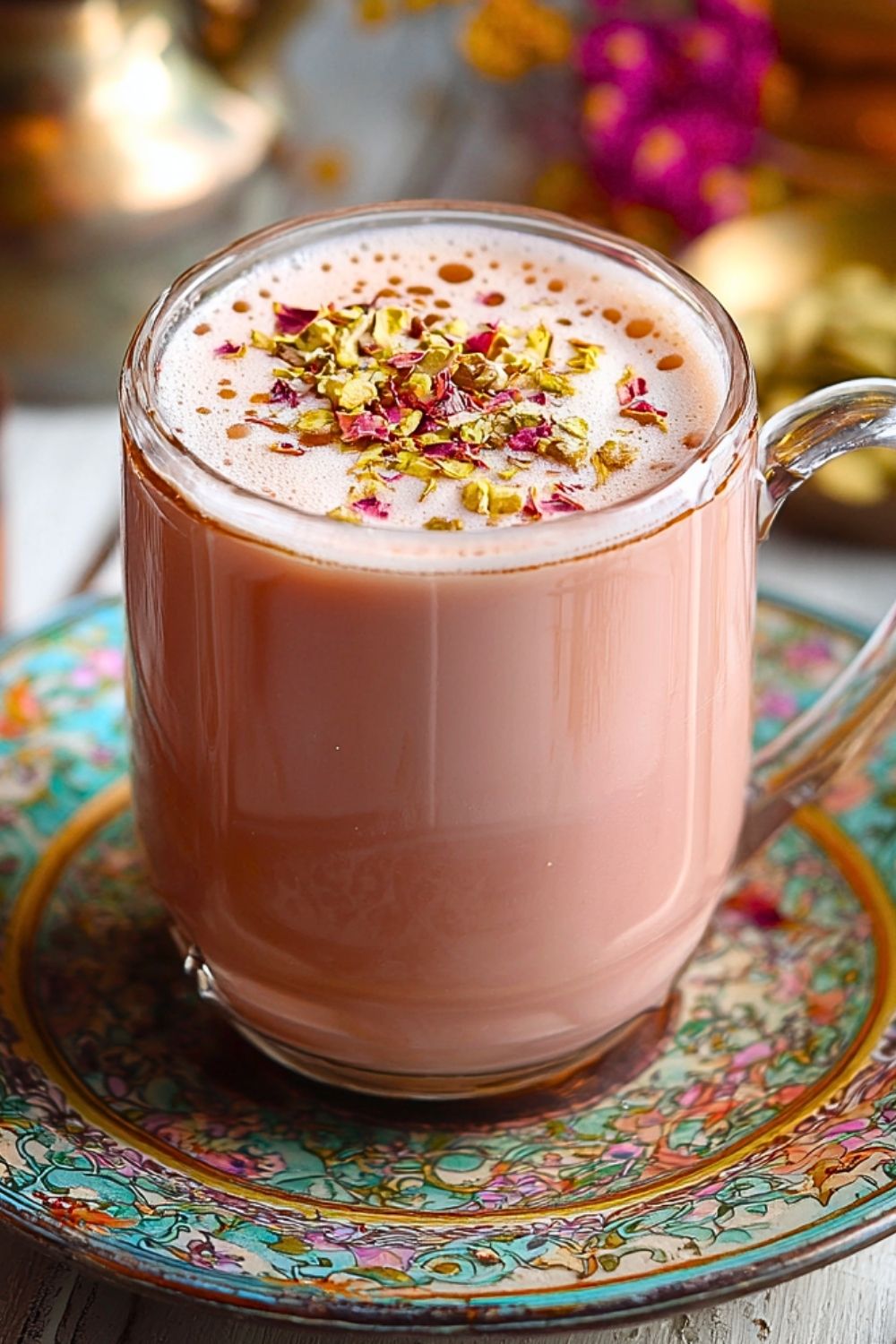
What draws me back to this recipe again and again is not just its flavor, but the experience. It’s rich, slightly salty, subtly sweet, and deeply satisfying. Whether I’m enjoying it on a quiet morning or serving it to guests, Kashmiri Pink Chai always feels special.
Why You’ll Love This Kashmiri Pink Chai
Kashmiri Pink Chai stands out from your everyday tea in both taste and presentation. The creamy texture combined with a delicate balance of saltiness and sweetness creates a unique flavor profile that’s hard to forget. It’s also visually stunning, making it perfect for special occasions or simply elevating your daily tea ritual.
Another reason to love this chai is how customizable it is. You can adjust the richness, sweetness, or even the garnish to suit your taste. Plus, it pairs beautifully with a variety of snacks, making it a versatile addition to your menu.
What Makes Kashmiri Pink Chai Turn Pink?
One of the most fascinating aspects of Kashmiri Pink Chai is its color. The pink hue comes from a chemical reaction that occurs when green tea leaves are boiled with baking soda and then mixed with milk. The oxidation process, combined with the addition of cold water during brewing, helps develop that signature rosy color.
It may seem tricky at first, but once you understand the process, it becomes surprisingly simple—and incredibly rewarding to watch.
Options for Substitutions
If you don’t have all the traditional ingredients on hand, there are still ways to enjoy this delightful drink. Regular green tea can be used if Kashmiri tea leaves aren’t available, though the color and depth of flavor may vary slightly.
For a richer version, you can substitute whole milk with evaporated milk or add a splash of cream. If you prefer a sweeter chai, you can skip the salt and increase the sugar, tailoring it more to your personal taste. Even the toppings can be flexible—almonds, pistachios, or even a pinch of cinnamon can add a lovely finishing touch.
Ingredients for this Kashmiri Pink Chai
Kashmiri green tea leaves – This is the heart of the recipe, responsible for the authentic flavor and the signature pink color. Traditional noon chai leaves give the best result.
Water – Used in stages to extract flavor and trigger the color transformation. Cold water addition is especially important during brewing.
Baking soda – A tiny pinch is crucial; it creates the alkaline environment needed for the pink hue to develop.
Milk – Adds creaminess, body, and helps bring out the final pink tone. Whole milk works best for richness.
Salt – Traditionally used to give the chai its distinct savory edge, balancing the richness of the milk.
Sugar – Optional but commonly added for a sweet variation. You can adjust depending on preference.
Cardamom pods – Infuse a warm, aromatic flavor that complements the tea beautifully.
Star anise (optional) – Adds a subtle depth and complexity to the aroma.
Crushed nuts (almonds, pistachios) – Used as garnish for texture and a nutty finish.
Cream (optional) – Enhances the richness if you prefer a more indulgent version.
Step 1: Boil the Tea Base
Add Kashmiri green tea leaves to a pot with water and bring it to a rolling boil. Let it simmer for several minutes until the water reduces slightly and the tea begins to deepen in color.
Step 2: Add Baking Soda
Sprinkle in a small pinch of baking soda and continue boiling. You’ll notice the tea turning a darker reddish-brown shade—this is a key stage in developing the final pink color.
Step 3: Aerate the Tea
Add a splash of cold water and stir vigorously or pour the tea back and forth between two cups. This introduces oxygen, which enhances the color transformation.
Step 4: Repeat the Process
Continue simmering and aerating the tea several times. This step builds both flavor and color depth, so don’t rush it.
Step 5: Add Spices
Add crushed cardamom pods and optional star anise. Let them simmer with the tea to infuse a warm, aromatic base.
Step 6: Introduce Milk
Pour in the milk slowly while stirring. Watch as the tea transforms into its iconic pink color. Adjust the amount of milk depending on how creamy you want it.
Step 7: Season the Chai
Add salt for the traditional version and sugar if you prefer a sweeter taste. Stir well to combine all the flavors.
Step 8: Simmer Gently
Let the chai simmer on low heat for a few more minutes to fully blend the flavors and achieve a smooth consistency.
Step 9: Strain and Serve
Strain the tea into cups to remove the tea leaves and whole spices. This ensures a smooth drinking experience.
Step 10: Garnish and Enjoy
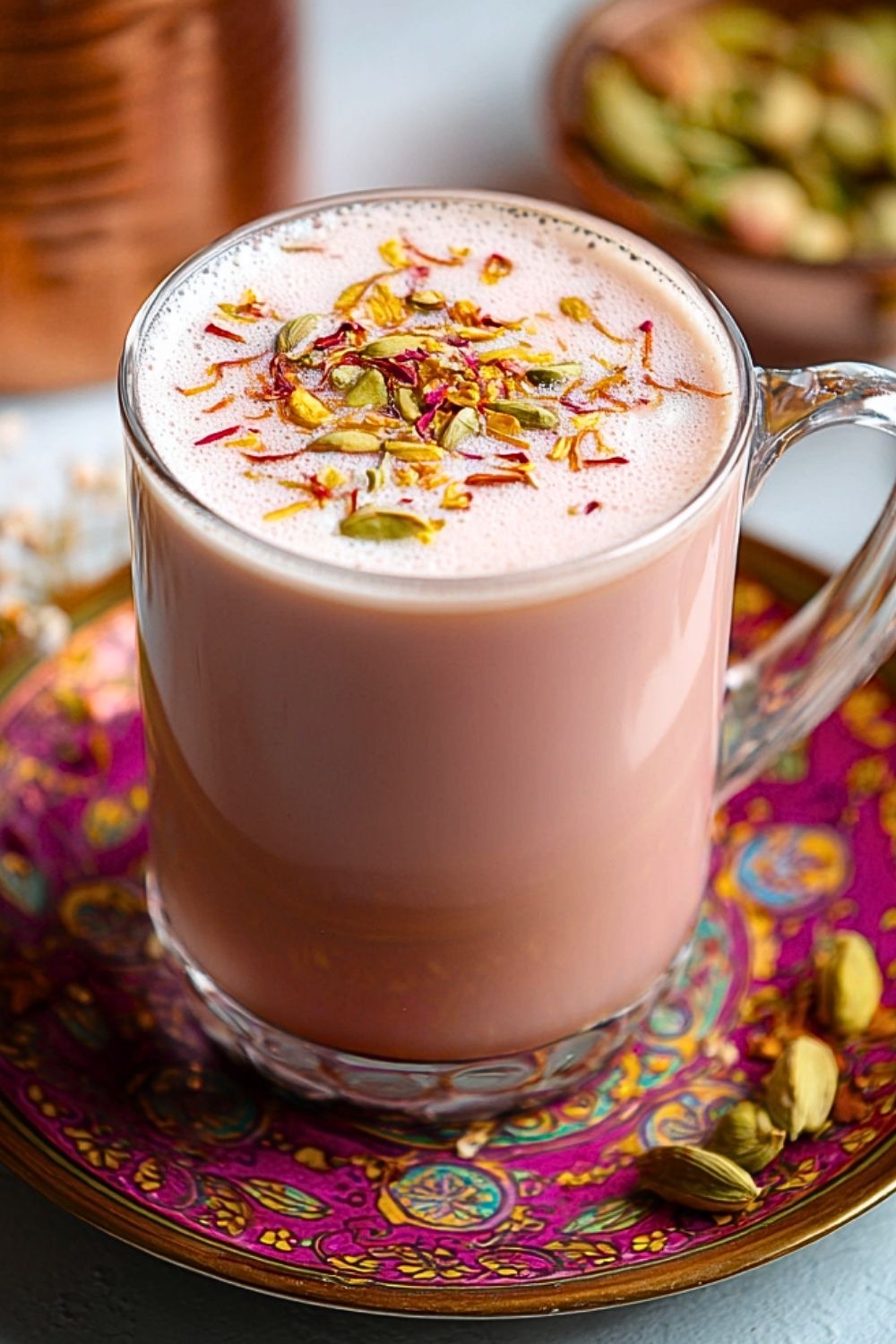
Top with crushed almonds and pistachios, and optionally a light sprinkle of cardamom powder. Serve hot and enjoy the rich, comforting flavors.
How Long to Prepare the Kashmiri Pink Chai
Preparing Kashmiri Pink Chai is more of a slow, mindful process than a quick fix. The total preparation time typically ranges between 30 to 45 minutes, depending on how much you allow the tea to develop its color and depth. The initial boiling and reduction stage alone can take around 10–15 minutes, as this is when the tea base begins to concentrate.
The second phase, which includes aeration and repeated simmering, can take another 10–15 minutes. This step is essential for achieving the signature pink hue and should not be rushed. Finally, once the milk and seasonings are added, an additional 5–10 minutes of gentle simmering ensures everything is well blended and perfectly balanced.
Tips for Perfect Kashmiri Pink Chai
Use authentic Kashmiri tea leaves if possible, as they produce the best color and flavor. Be patient during the boiling and aeration process—this is where the magic happens. Always use a small amount of baking soda; too much can alter the taste.
Stirring and aerating properly is key to achieving that iconic pink color. Also, use full-fat milk for a creamier texture and richer taste. Finally, serve the chai hot and fresh for the best experience.
Watch Out for These Mistakes While Cooking
Adding too much baking soda can result in a bitter taste and an unappealing color. Skipping the aeration step may prevent the tea from turning pink altogether. Using low-quality tea leaves can also affect both color and flavor.
Another common mistake is rushing the process. Kashmiri Pink Chai requires time and attention, and cutting corners can lead to a flat or dull result. Lastly, avoid adding milk too early, as it can interfere with the proper development of the tea base.
What to Serve With Kashmiri Pink Chai?
Bakarkhani
A traditional flaky bread that pairs beautifully with the creamy texture of the chai.
Kashmiri Kulcha
Crispy and slightly sweet, this bread complements the savory notes of the tea.
Almond Biscuits
Light and crunchy, these enhance the nutty flavors in the chai.
Samosas
Savory and spiced, they provide a delicious contrast to the creamy drink.
Dry Fruit Mix
A simple mix of nuts and dried fruits adds texture and richness to your tea experience.
Storage Instructions
Kashmiri Pink Chai is best enjoyed fresh, but it can be stored if needed. Allow the chai to cool completely before transferring it to an airtight container. It can be refrigerated for up to 2 days without losing too much of its flavor.
When reheating, do so gently over low heat while stirring continuously. You may need to add a splash of milk to restore its creamy consistency. Avoid boiling it again, as this can affect both the texture and taste.
Estimated Nutrition
A single serving of Kashmiri Pink Chai typically contains moderate calories due to the milk and optional cream. It provides small amounts of protein and calcium from the dairy, along with healthy fats from the nuts.
The exact nutritional values can vary depending on the quantity of sugar, nuts, and cream used. For a lighter version, you can reduce sugar and skip the cream while still enjoying its rich flavor.
Frequently Asked Questions
Why is my Kashmiri Pink Chai not turning pink?
This usually happens if the tea wasn’t aerated enough or if the baking soda was skipped. The type of tea leaves also plays a big role.
Can I make this chai without baking soda?
Technically yes, but the signature pink color will be difficult to achieve without it.
Is Kashmiri Pink Chai supposed to be salty?
Traditionally, yes. However, many people enjoy a sweet version, so you can adjust it to your taste.
Can I use plant-based milk?
Yes, but the color and creaminess may differ. Full-fat dairy milk gives the most authentic result.
How can I make it richer?
You can add cream or use evaporated milk for a thicker, more indulgent texture.
Conclusion
Kashmiri Pink Chai is more than just a beverage—it’s an experience that combines tradition, technique, and flavor into one comforting cup. While it may take a little extra time and care, the result is a visually stunning and deeply satisfying drink that’s well worth the effort.
Once you master the process, it becomes a rewarding ritual you’ll want to return to again and again.
Kashmiri Pink Chai
- Total Time: 40 minutes
- Yield: 4 servings
- Diet: Vegetarian
Description
A luxurious and comforting Kashmiri Pink Chai that transforms from deep tea tones into a beautiful rosy drink. This easy recipe brings together creamy milk, aromatic spices, and a delicate balance of flavors, making it perfect as a cozy breakfast drink, a unique dinner idea, or a relaxing evening treat. Whether you’re exploring new food ideas or looking for a healthy snack alternative in beverage form, this traditional chai offers both elegance and warmth in every sip.
Ingredients
2 cups water
2 tablespoons Kashmiri green tea leaves
1 pinch baking soda
1 cup cold water
2 cups whole milk
4 green cardamom pods
1 small star anise
1/2 teaspoon salt
2 teaspoons sugar
2 tablespoons crushed almonds
2 tablespoons crushed pistachios
2 tablespoons cream
Instructions
1. Add 2 cups water and Kashmiri green tea leaves to a pot and bring to a boil. Let it simmer for 10 minutes until the color deepens.
2. Add a pinch of baking soda and continue boiling until the tea turns a dark reddish-brown color.
3. Pour in 1 cup cold water and vigorously stir or aerate by pouring between cups.
4. Repeat the simmering and aeration process 2–3 times to enhance color and flavor.
5. Add crushed cardamom pods and optional star anise, then simmer for 5 minutes.
6. Slowly pour in the milk while stirring continuously.
7. Add salt and sugar according to your taste preference.
8. Let the chai simmer on low heat for another 5–10 minutes.
9. Strain into cups to remove tea leaves and spices.
10. Garnish with crushed almonds and pistachios, optionally add cream, and serve hot.
Notes
Use authentic Kashmiri tea leaves for the best color and flavor result.
Do not skip the aeration step, as it is essential for achieving the pink color.
Always add baking soda in a very small amount to avoid bitterness.
- Prep Time: 10 minutes
- Cook Time: 30 minutes
- Category: Beverage
- Method: Simmering
- Cuisine: Kashmiri
Nutrition
- Serving Size: 1 cup
- Calories: 180
- Sugar: 6g
- Sodium: 150mg
- Fat: 9g
- Saturated Fat: 5g
- Unsaturated Fat: 3g
- Trans Fat: 0g
- Carbohydrates: 18g
- Fiber: 1g
- Protein: 6g
- Cholesterol: 25mg
Keywords: kashmiri pink chai, noon chai, easy chai recipe, breakfast drink, traditional tea